Cart
0






Walk into any shop that sells rolling papers and you will find at least three or four different types - wood pulp, hemp, flax, rice. For most casual smokers, the choice comes down to whatever is familiar or cheapest. But if you have ever paid close attention to how differently papers burn, taste, and feel, you will know that the material matters more than most people realise.
Rice rolling papers occupy a specific place in that lineup. They are not the easiest to roll with - their thinness requires a steadier hand than thicker wood pulp papers - but they consistently deliver a cleaner, slower, and more flavour-true burn than most alternatives. That trade-off is one experienced smokers tend to make without hesitation.
This guide covers the ten key benefits of rice rolling papers in detail - what each benefit actually means in practice, how rice compares to other paper types where relevant, and what to look for when choosing a quality rice paper.
The most talked-about quality of rice rolling papers is how slowly they burn, and it is worth understanding why - because the reason behind it explains several other benefits on this list at the same time.
Rice paper is made from processed rice straw fibres that are compressed into an extremely thin sheet. This thinness, combined with the low cellulose density of rice fibre compared to wood pulp, means there is simply less material burning alongside your smoke at any given moment. Less paper burning equals a slower overall burn rate.
Wood pulp papers - the standard in most budget rolling papers - are denser and contain more combustible material per square centimetre. They burn noticeably faster, which means more paper smoke entering every draw and a session that ends sooner than it needs to.
A slow burn extends your session without you having to do anything differently. The same amount of material lasts longer, each draw is more deliberate, and there is less rushing before it burns down. For smokers who prefer to take their time, rice paper is the natural choice.
Ash is an inevitable byproduct of combustion, but the amount produced varies significantly between paper types. Rice rolling papers produce considerably less ash than wood pulp alternatives - and less ash than most hemp papers too.
The practical benefit is cleanliness - less ash falling during a session means a tidier experience, fewer interruptions, and less residue to deal with afterwards. But the benefit goes beyond aesthetics.
High ash production is a sign that a significant amount of the paper itself is burning and contributing to what you are inhaling. When a paper burns cleanly and produces minimal ash, it means more of what reaches you comes from your material rather than from the paper. This directly improves the quality and clarity of the smoke.
For anyone who uses a rolling tray or smokes indoors, the low ash output of rice papers is a noticeably cleaner experience from start to finish.
This is one of the most underappreciated qualities of a good rolling paper, and one of the areas where rice paper genuinely stands apart from most alternatives.
Wood pulp papers, particularly bleached varieties, often carry a faint but distinct papery or chemical flavour that sits underneath the taste of your material. It is subtle enough that many smokers never isolate it as a separate element - but switch to a rice paper and smoke the same material, and the difference becomes clear immediately.
Flavoured papers add an even more pronounced taste layer on top - intentionally in this case, but not always welcome when you want to taste what you actually rolled.
Rice fibre has an extremely low natural flavour profile. When processed into paper without chemical bleaching or added flavour compounds, it contributes almost nothing of its own to the smoke. What you taste is your material - nothing else. For anyone who has invested in quality herbs or tobacco, this matters.
Quality rice rolling papers are produced without chemical bleaching agents, artificial burn regulators, synthetic adhesives, or added flavours. This makes them one of the cleanest paper options available from a composition standpoint.
When a paper contains chemical additives - chlorine bleach, optical brighteners, synthetic gums - those compounds do not disappear when the paper burns. They combust alongside the paper and enter the smoke stream. The byproducts of burning these chemicals can cause harshness, throat irritation, and a chemical aftertaste. Over time, regular exposure to these byproducts adds an unnecessary chemical load on top of everything else in the smoke.
Rice papers, made from natural fibres and sealed with natural acacia gum, sidestep this issue entirely. The paper burns clean because there is nothing in it that should not be there.
Look for papers labelled "natural," "unbleached," "additive-free," or "organic." If a rice paper is bright white and the packaging does not explain the whitening process, it has likely been chemically bleached - which partially negates the clean composition advantage. The best rice papers have a natural off-white or very light appearance that reflects their unprocessed state.
Rice rolling papers are among the thinnest papers available in the rolling paper category. This thinness is not just an aesthetic quality - it has a direct functional impact on the smoking experience.
The thinner the paper, the smaller its contribution to the overall smoke. A thick paper burns heavily alongside the material and pushes its own flavour into every draw. A thin paper does the opposite - it recedes into the background, letting the material's natural flavour come through more fully. This is the core reason why experienced smokers who care about taste tend to favour rice or ultra-thin hemp papers over standard wood pulp.
Thinness also directly connects to burn rate. Less paper per unit length means a slower, more controlled burn. Combined with the low cellulose density of rice fibre, this makes rice papers one of the slowest-burning options available without any artificial burn regulators added.
The same thinness that makes rice papers perform well also makes them slightly more delicate to handle than thicker papers. They are less forgiving of heavy-handed rolling and benefit from dry hands and a careful touch. This is a manageable trade-off for most people with basic rolling experience, but worth knowing if you are trying rice papers for the first time.
A common assumption about rice rolling papers is that their thinness makes them fragile - easy to tear during rolling, prone to splitting at the seam, or likely to disintegrate if handled roughly. In practice, quality rice papers are more resistant than their delicate appearance suggests.
The manufacturing process for rice paper compresses the fibres into a tight, even sheet that has good tensile strength despite its low weight. The fibres interlock during pressing in a way that resists tearing along the grain - which is the direction most stress is applied during rolling.
Compared to cheap wood pulp papers, which can tear along the edge during the tuck or split at the seam when moisture is applied unevenly, a good quality rice paper holds together reliably through the rolling process. The seam, sealed with natural acacia gum, also adheres cleanly and consistently without lifting or peeling.
Rice papers also hold their shape and quality well in storage when kept in a cool, dry environment. They are less sensitive to minor humidity fluctuations than hemp wraps, and a quality sealed booklet will keep its papers in perfect condition for months.
Rice rolling papers have a distinctive visual quality that sets them apart from other paper types. Their surface has a smooth, almost glassine finish with a slight translucency - you can often see the outline of the material through the paper when it is rolled. This gives finished rolls a clean, refined look that reflects the quality of the paper itself.
The translucent finish of rice papers is a direct result of how tightly and uniformly the fibres are compressed during manufacturing. A patchy or opaque finish in an unbleached paper can indicate inconsistent fibre distribution - which also affects burn consistency. The smooth, even surface of quality rice paper is both visually appealing and a reliable indicator of consistent manufacture.
For smokers who take pride in the craft of rolling, working with a paper that looks and feels premium adds to the overall experience. It is a small detail, but one that experienced rollers consistently notice and appreciate.
For smokers who factor environmental impact into their purchasing decisions, rice rolling papers are worth considering seriously. The environmental case for rice paper is straightforward and backed by the nature of the raw material itself.
Rice is an annual crop - it is planted, grown, and harvested within a single year, and the process repeats the following season without depleting the land in the way that tree felling does. Wood pulp paper production requires cutting trees that take decades to mature, whereas rice paper draws from a crop with a continuous, short renewal cycle.
Rice paper production also typically involves less intensive chemical processing than wood pulp paper. Wood pulp requires significant chemical treatment to separate fibres and achieve a usable paper consistency. Rice straw can be processed into paper with a lighter chemical footprint, particularly when the end product is unbleached.
For smokers who are already conscious of reducing unnecessary waste and chemical exposure, choosing rice papers aligns both environmental and personal health interests in a single product decision.
This benefit is closely related to the neutral taste and additive-free composition covered earlier, but deserves its own section because it is the quality that most often converts long-term smokers to rice paper once they experience it directly.
Quality tobacco and herbs have complex flavour profiles - subtle notes that emerge at different points in the burn, that shift between the first draw and the last, and that vary significantly depending on how the material was cured and prepared. These nuances are real, and they are easy to miss when the paper is contributing its own flavour layer on top.
Rice paper, being thin, neutral, and clean-burning, creates the conditions for those flavour details to come through. Smokers who switch from standard wood pulp papers to quality rice papers often describe the difference as tasting their material properly for the first time - not because the material changed, but because the paper stopped getting in the way.
If you use quality rolling papers and care about what you are tasting, this is the benefit that makes rice paper worth the slight extra care required in rolling.
Rice rolling papers work well across a wide range of materials - loose tobacco, herbal blends, or any other smokeable material you prefer. Their neutral flavour profile means they do not clash with or overpower whatever is rolled inside them, making them a genuinely versatile choice rather than a paper optimised for one specific use case.
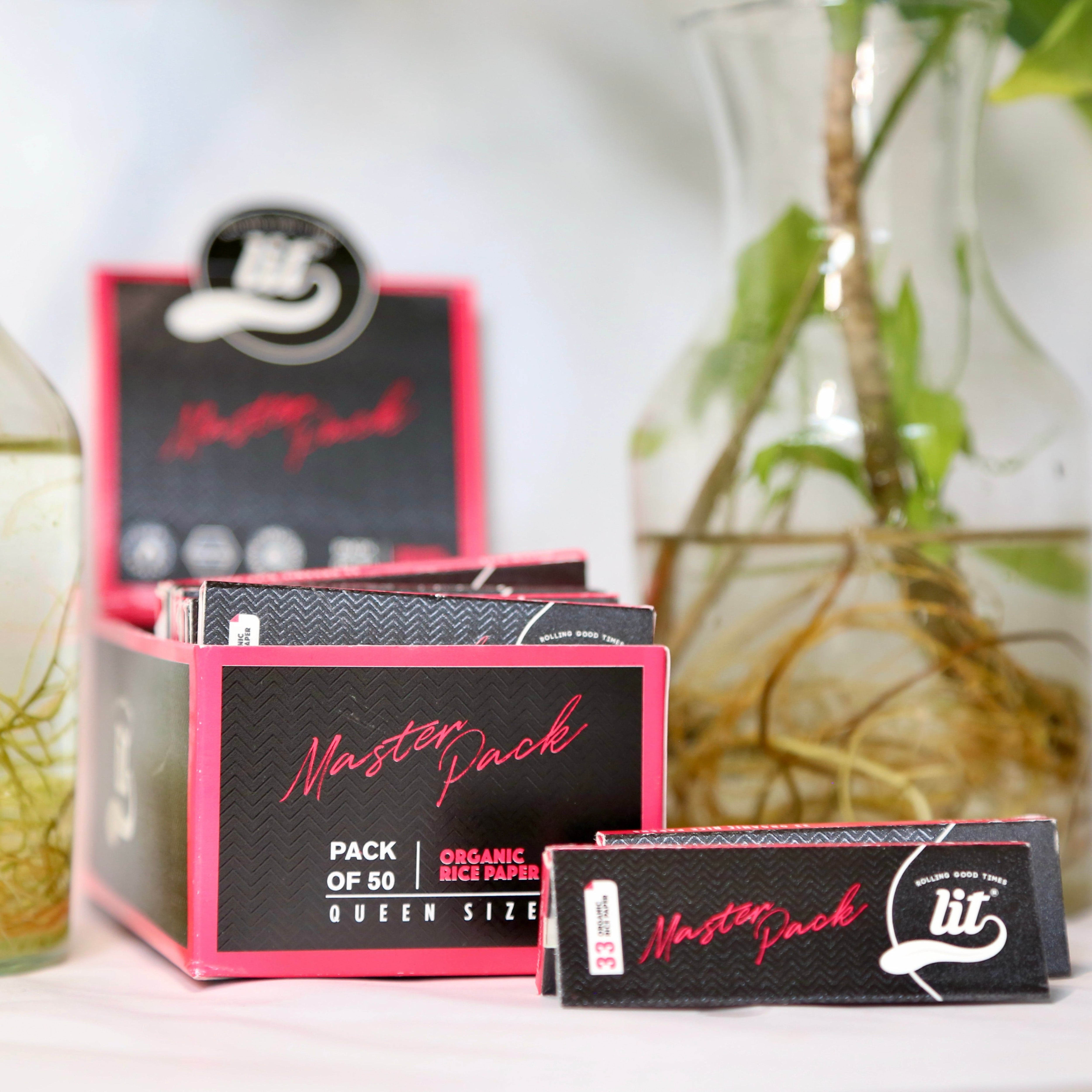
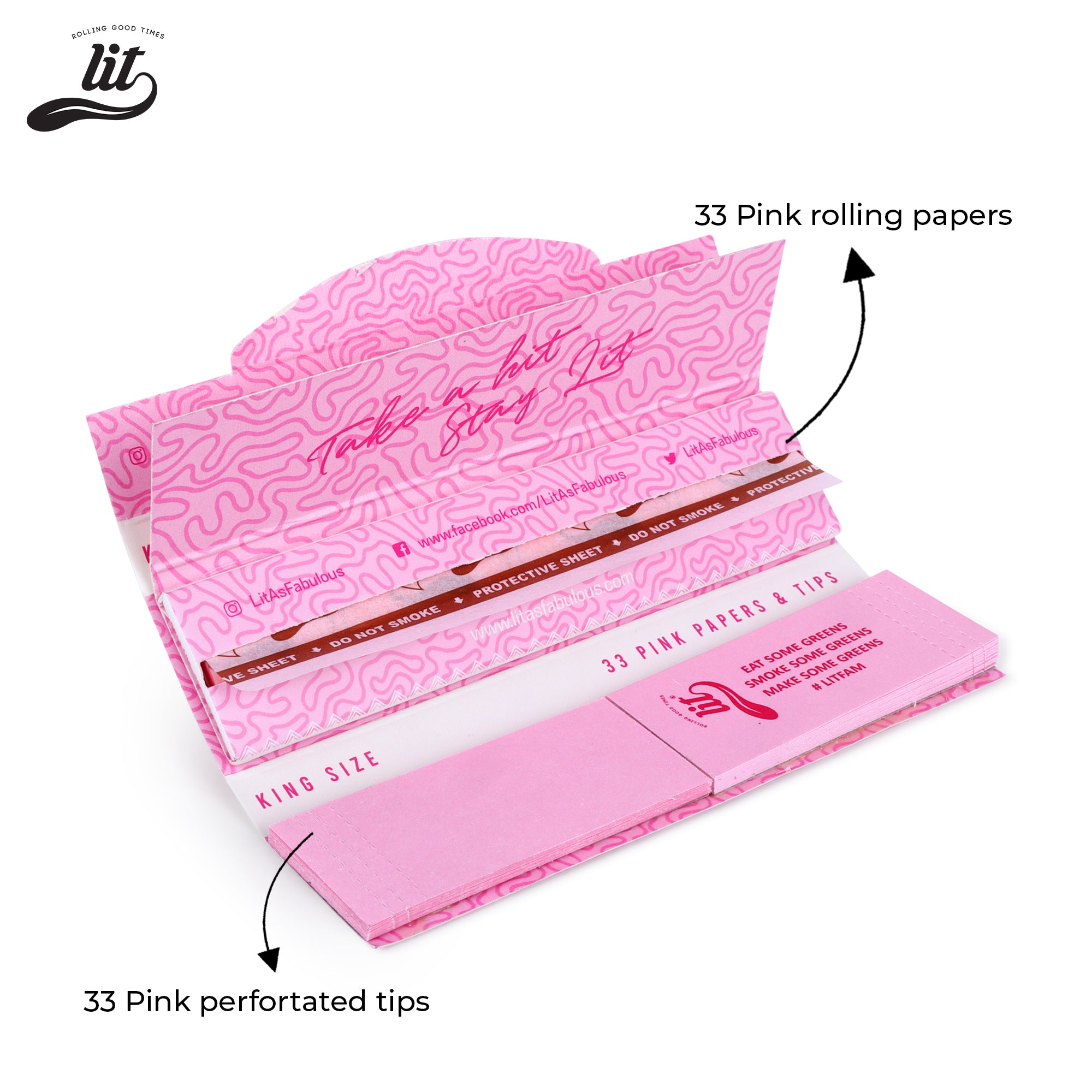
Rice papers come in the full standard range of sizes - single wide, 1.25, king size, and slim - so switching to rice does not mean sacrificing the size format you prefer. The qualities that make rice paper stand out apply across all sizes, from a compact single-wide to a full king-size roll.
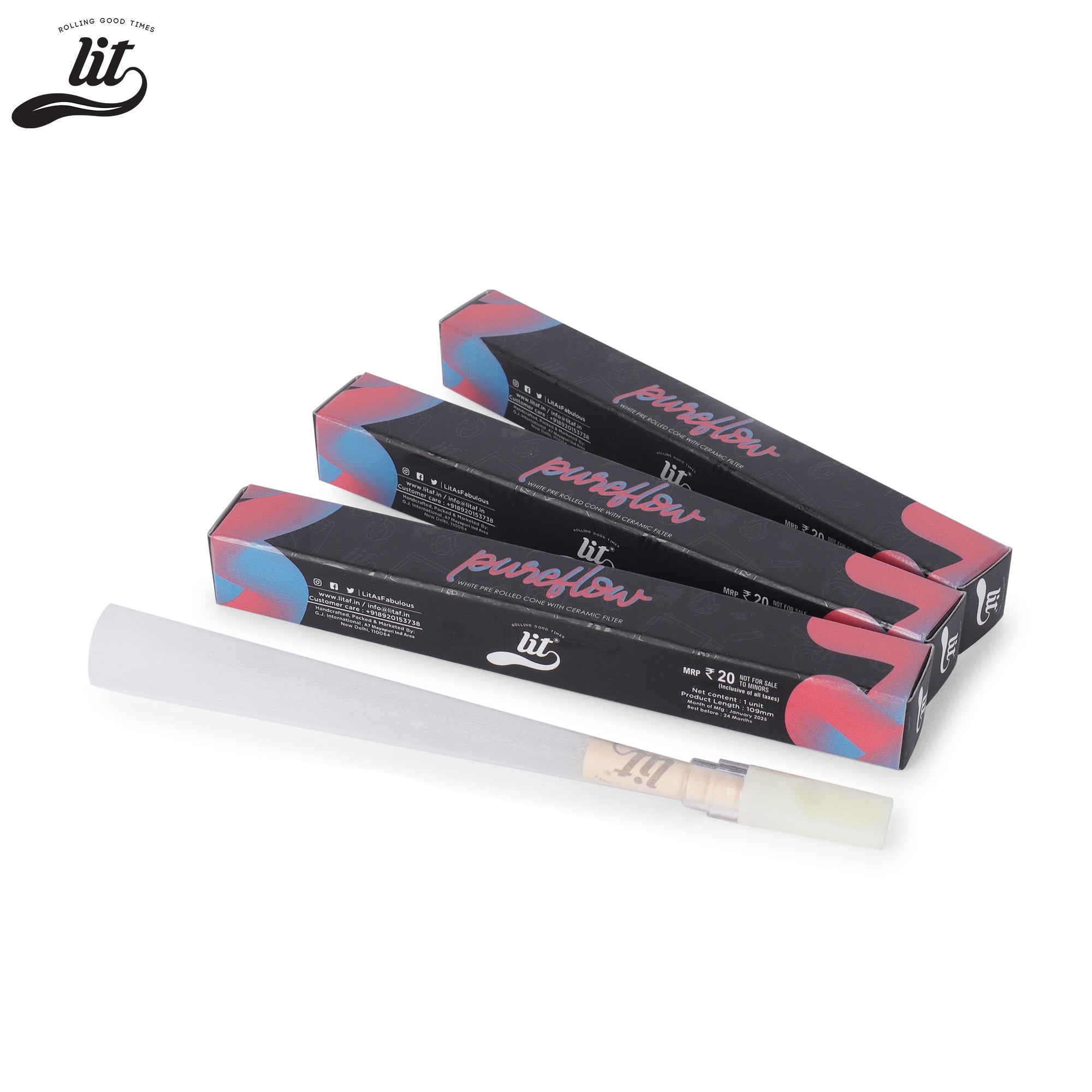
Many pre-rolled cones are also made from rice paper, which means you can get the slow burn and neutral taste benefits of rice paper without the manual rolling step. If you prefer the convenience of cones but want the flavour performance of rice paper, look specifically for rice paper cone options rather than defaulting to whatever the standard cone material is.
Beyond specific use cases, rice rolling papers simply hold up well as an everyday paper for regular smokers. Their consistency across sessions - reliable burn, consistent seal, predictable feel - makes them a dependable default rather than a special occasion choice.
Both have strong points and the better choice depends on personal preference. Rice papers are thinner, burn slower, and have a more neutral taste - ideal for smokers who want to preserve the full flavour of their material without any interference from the paper. Hemp papers are slightly thicker, a little easier to roll for beginners, and have a mild natural flavour of their own. Experienced smokers often prefer rice for taste; those newer to rolling may find hemp easier to work with initially.
Rice rolling papers are known for being nearly tasteless. Because they are made from natural rice fibres without added flavours or chemical treatments, they contribute almost nothing of their own to the smoke. What you taste is your material - which is exactly the point. Smokers who switch from wood pulp to rice paper often notice the difference in flavour clarity within the first session.
They are slightly more delicate than wood pulp or hemp papers, which can make them trickier for complete beginners. Their smooth surface offers slightly less grip during the tuck, and their thinness means they are less forgiving of uneven pressure. With dry hands and a little practice, most rollers adjust quickly. They are not difficult - just different from heavier papers.
Yes. Rice is a renewable annual crop with a significantly lower environmental footprint than wood pulp, which requires tree felling and more intensive chemical processing. Unbleached rice papers in particular are among the more environmentally responsible options in the rolling paper category.
The slow burn comes from two combined factors: the extreme thinness of the paper and the low cellulose density of rice fibre compared to wood pulp. Less material burning per unit length means a slower, more controlled burn with significantly less ash - and more of the draw coming from your material rather than from the paper itself.
Rice rolling papers do one thing particularly well: they get out of the way. Their thinness, neutral flavour, clean burn, and additive-free composition all work toward the same goal - letting you taste and experience your material without the paper adding anything that should not be there.
The slight learning curve in rolling them is real but short. Most people who try a quality rice paper for the first time and pay attention to the difference in flavour and burn rarely go back to standard wood pulp as their everyday choice.
If you have been rolling with whatever paper is cheapest or most familiar, trying a quality rice paper is one of the lowest-effort upgrades you can make to your smoking routine - and one of the most noticeable.
Browse Our Rolling Papers | Shop Pre-Rolled Cones | View Smoking Accessories