Cart
0


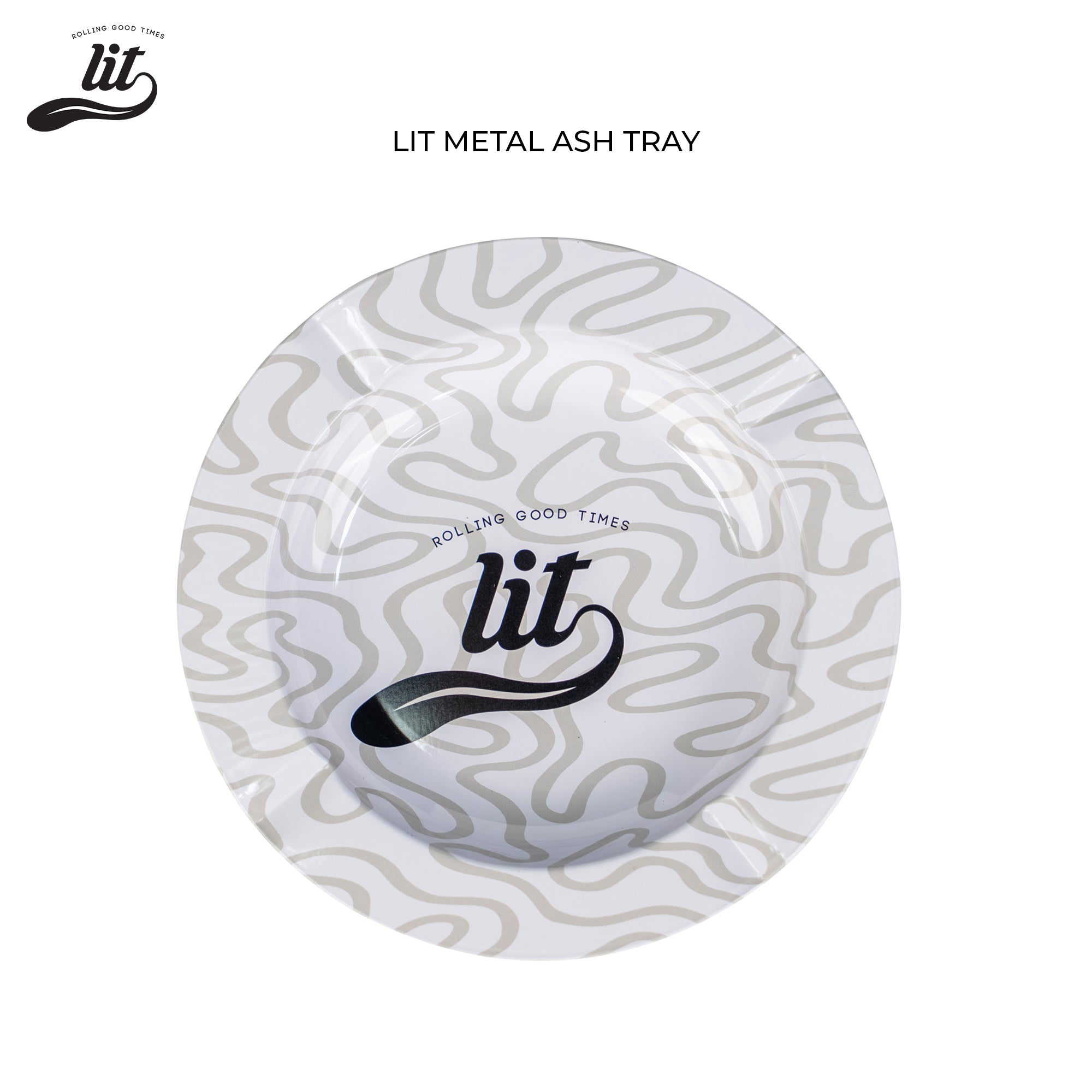

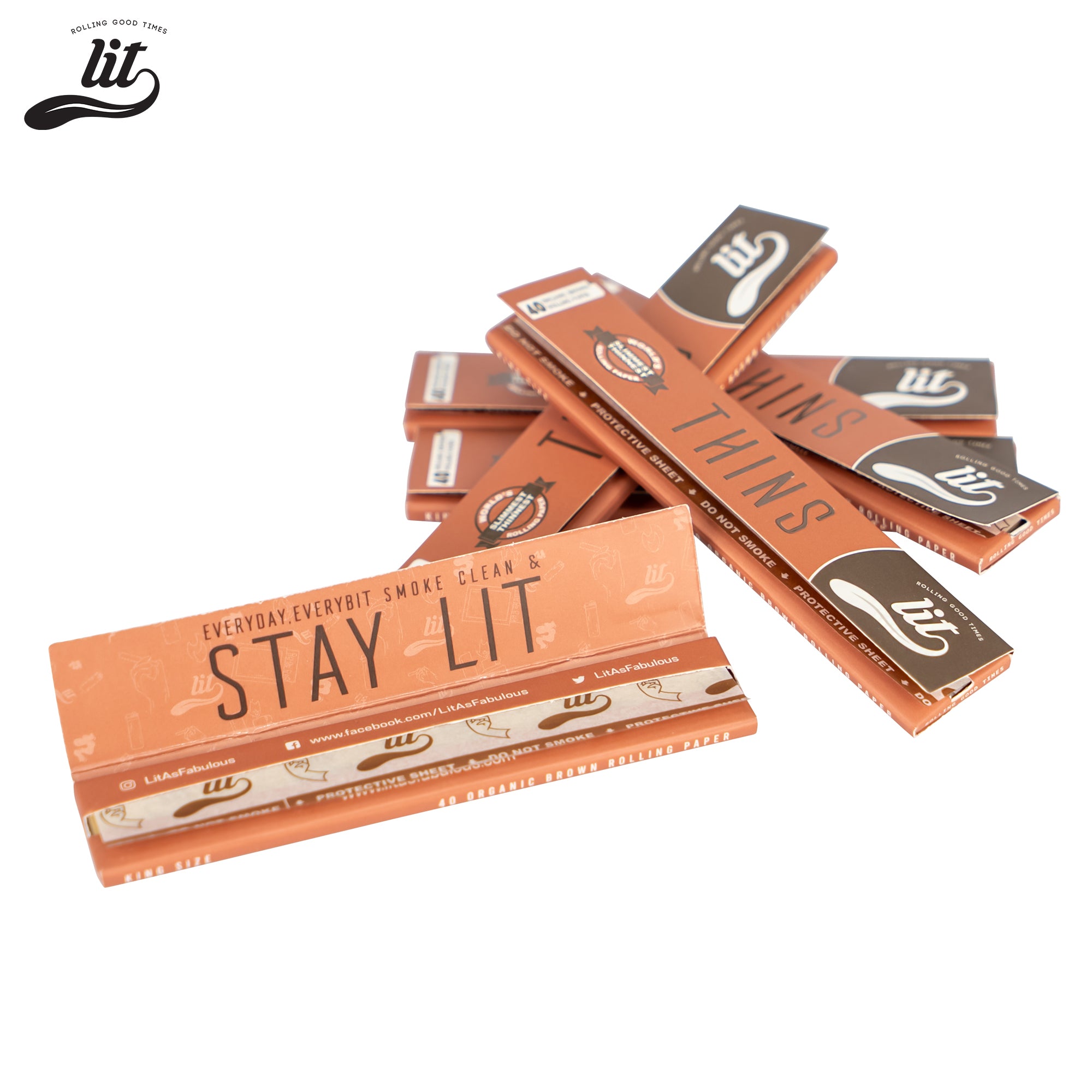
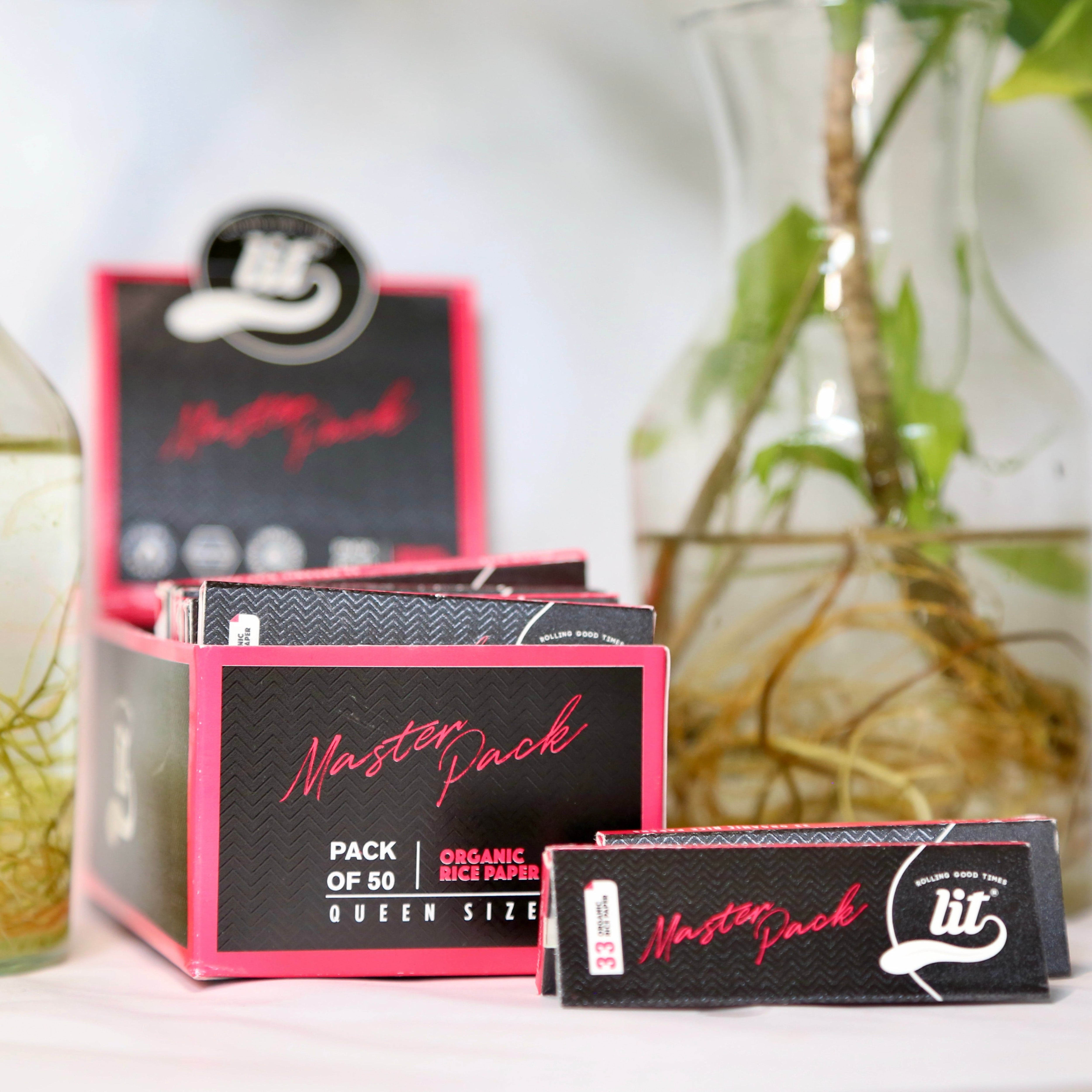
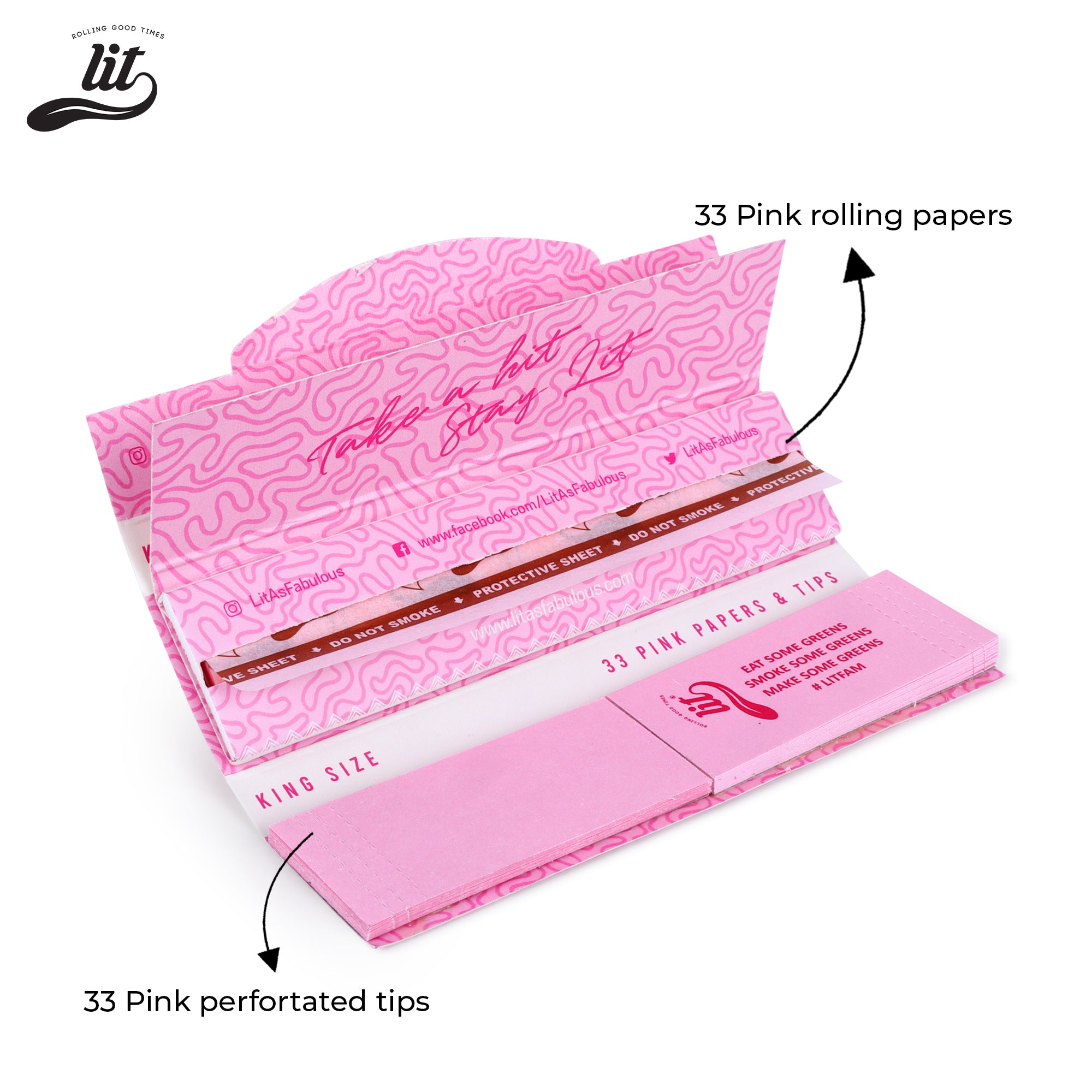



The online marketplace has made smoking accessories more accessible than ever. Unfortunately, it has also opened the door for counterfeit products. Fake rolling papers are increasingly being sold through unauthorized sellers, often at suspiciously low prices.
At first glance, counterfeit packs may look identical to genuine products. However, the difference becomes clear once you inspect the material quality, packaging precision, and burn performance.
If you are investing in original LITAF rolling papers, understanding how to verify authenticity protects both your experience and your safety.
Low grade imitations are not just a branding issue. They can affect airflow, taste, and overall combustion consistency.
Counterfeit papers are typically manufactured without quality control standards. The source of the pulp or fiber is often unknown, and bleaching methods may involve harsh chemicals that reputable brands avoid.
Common issues found in fake products include:
Irregular paper thickness
Poorly applied gum lines
Excessive chemical odor
Uneven burn or canoeing
Loose packaging seals
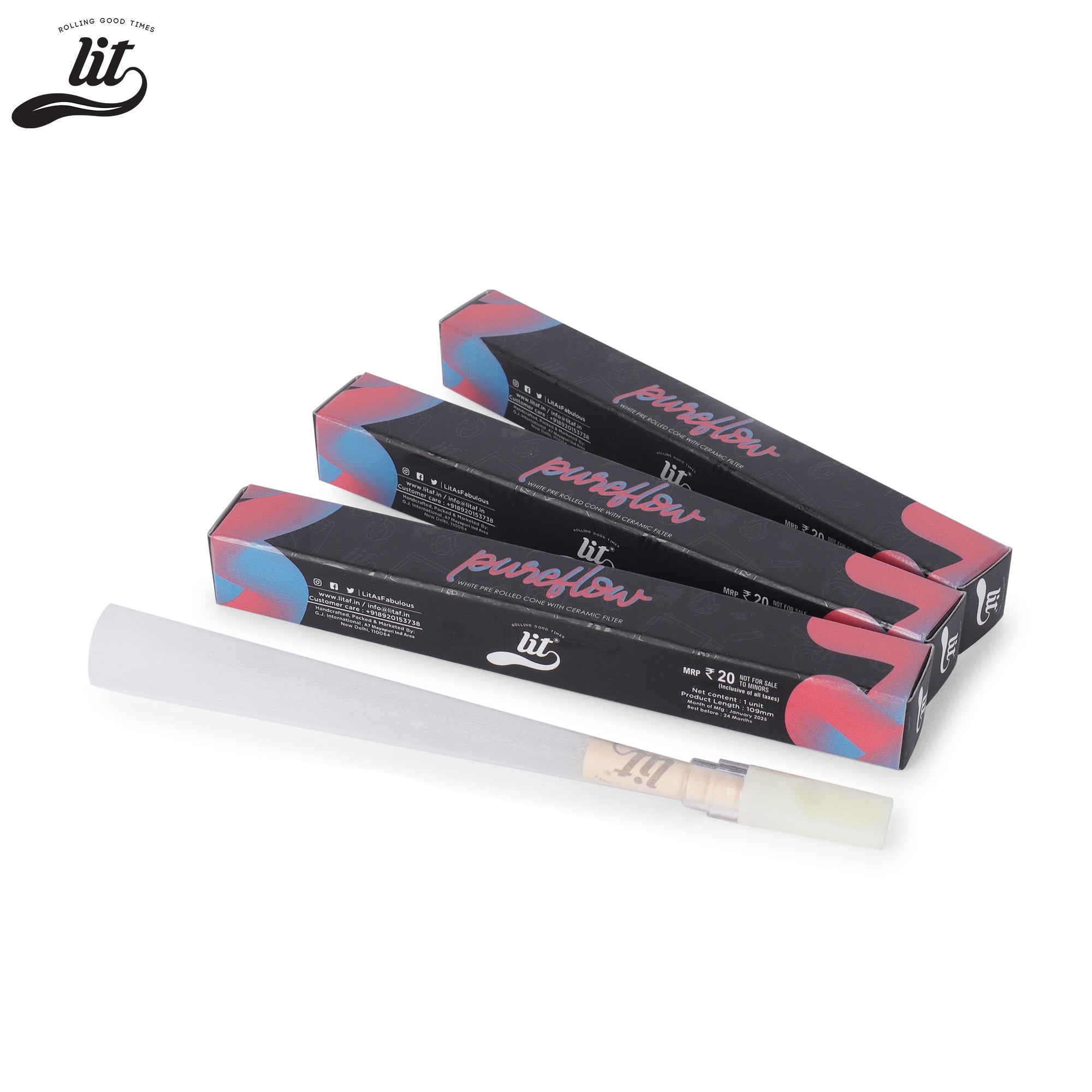
Authentic brands maintain strict sourcing standards and consistent airflow engineering. When buying genuine pre shaped cones, for example, you should expect uniform structure and stable combustion.
Choosing verified products reduces the risk of unpleasant burn behavior and unpredictable performance.
The easiest way to identify fake rolling papers is by examining the packaging carefully. Counterfeit manufacturers often miss small details.
Look for the following signs:
Blurry or faded print
Misaligned logos
Incorrect color shades
Spelling or grammar mistakes
Loose or poorly glued edges
Authentic products from a trusted rolling paper manufacturer will always display sharp print clarity, consistent color tones, and secure sealing.
Even minor inconsistencies in packaging can indicate that the product did not come through official distribution channels.
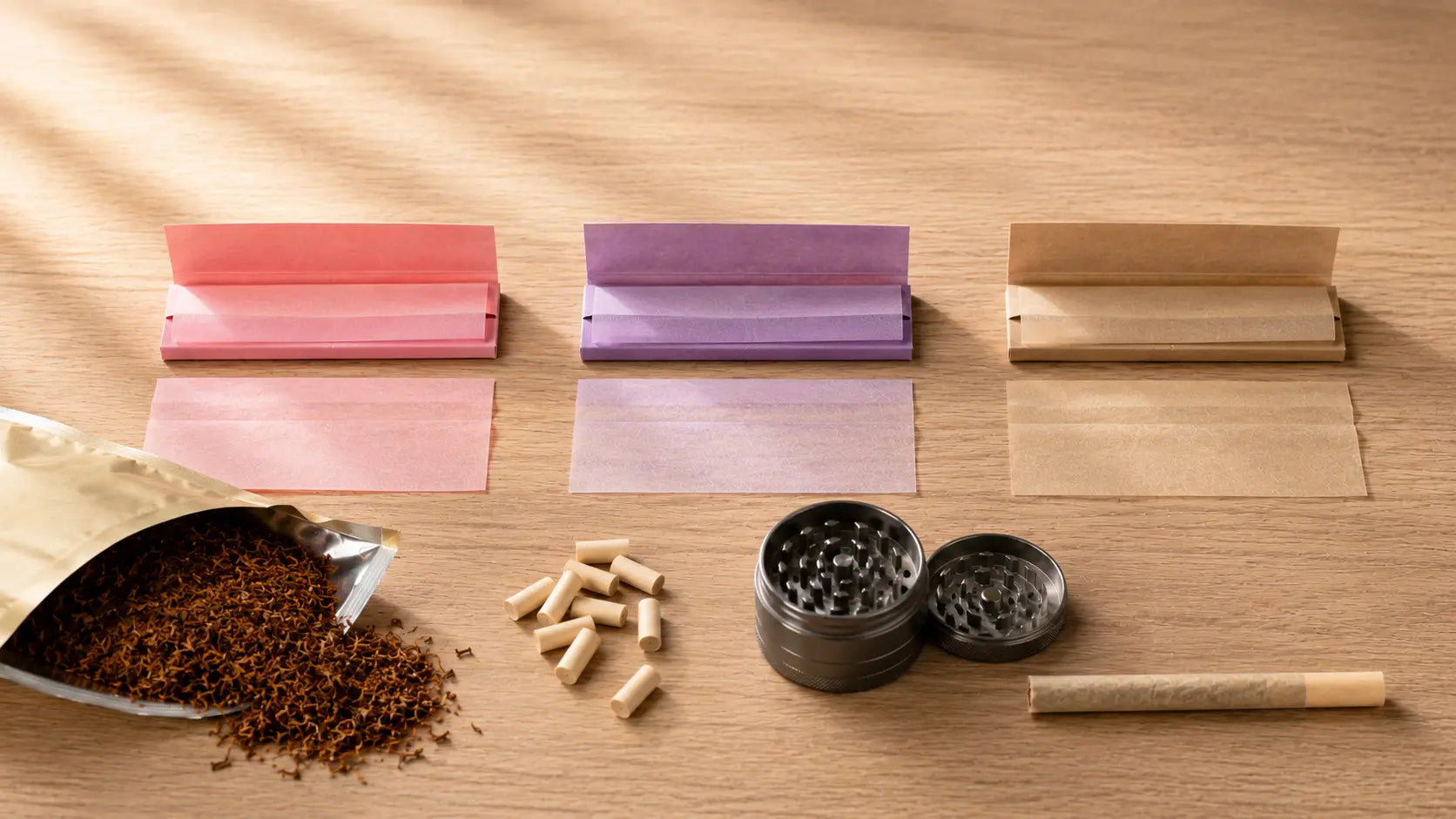
After examining the outer packaging, inspect the paper itself. The gum line is one of the most reliable indicators of authenticity. Genuine rolling papers feature a clean, evenly applied adhesive strip with consistent width from end to end.
Fake products often show irregular glue patterns, excess shine, or uneven texture. Some may have a strong chemical odor due to low quality adhesive materials.
A proper gum line should feel lightly tacky when activated and seal smoothly without tearing or curling. If the adhesive appears patchy or overly glossy, it may indicate a counterfeit product.
Authentic rolling papers maintain uniform thickness and controlled porosity. When held against light, the sheet should appear evenly distributed without dense patches or weak spots.
Counterfeit papers may feel unusually thick, brittle, or excessively fragile. During use, they often burn too quickly, produce excessive ash flakes, or create uneven burn lines known as canoeing.
Pay attention to combustion stability. A genuine product should deliver a steady, controlled burn without sudden flare ups or harsh aftertaste.
Many authentic brands include batch numbers or verification details printed discreetly on packaging. These markings help track manufacturing quality and ensure traceability.
If a product lacks any production details or shows inconsistent labeling formats, that can be a warning sign.
Counterfeit products frequently omit traceability markers or replicate them poorly. Always examine alignment, font consistency, and print clarity when reviewing these elements.
Extremely discounted prices are often the first red flag. High quality rolling papers require careful sourcing, refined processing, and strict quality checks. These factors influence cost.
If a seller offers bulk packs at unusually low prices compared to standard market rates, caution is advisable. Counterfeit sellers rely on attractive pricing to move large quantities quickly.
Authentic products maintain price consistency across verified distribution channels.
Examine packaging clarity and logo alignment
Check for spelling or printing inconsistencies
Inspect the gum line for uniform application
Observe paper texture under light
Evaluate burn stability during use
Confirm presence of batch or production details
Avoid suspiciously low priced listings
Maintaining authenticity requires strict control over material sourcing, manufacturing precision, and packaging standards. Every stage from fiber selection to final inspection influences performance.
Consistent airflow engineering, controlled adhesive application, and accurate printing processes help maintain uniform quality across batches.
When purchasing through verified channels, customers can expect consistent burn behavior, clean material composition, and reliable construction.
Authenticity is not just about branding. It directly impacts safety, performance, and overall experience.