Cart
0



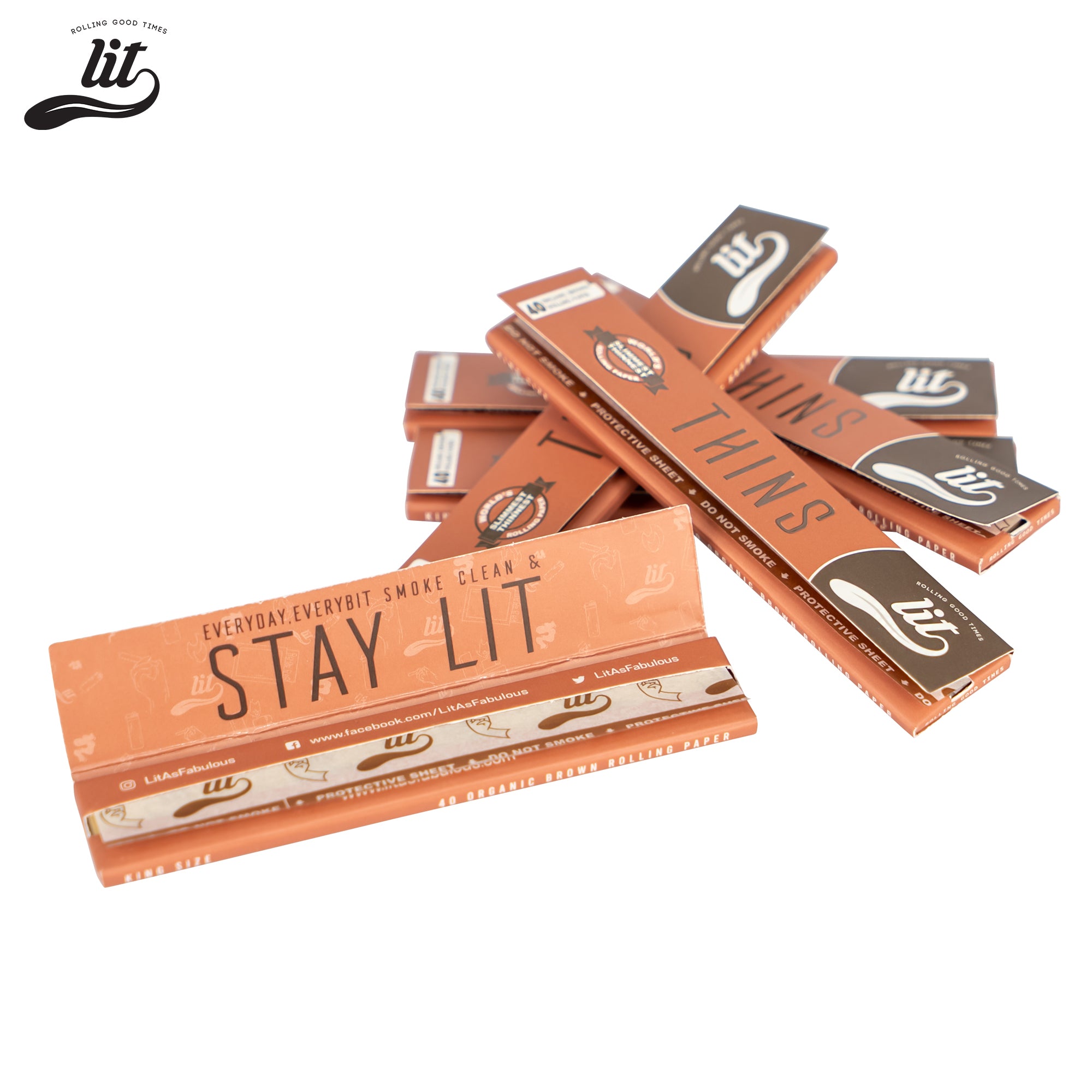
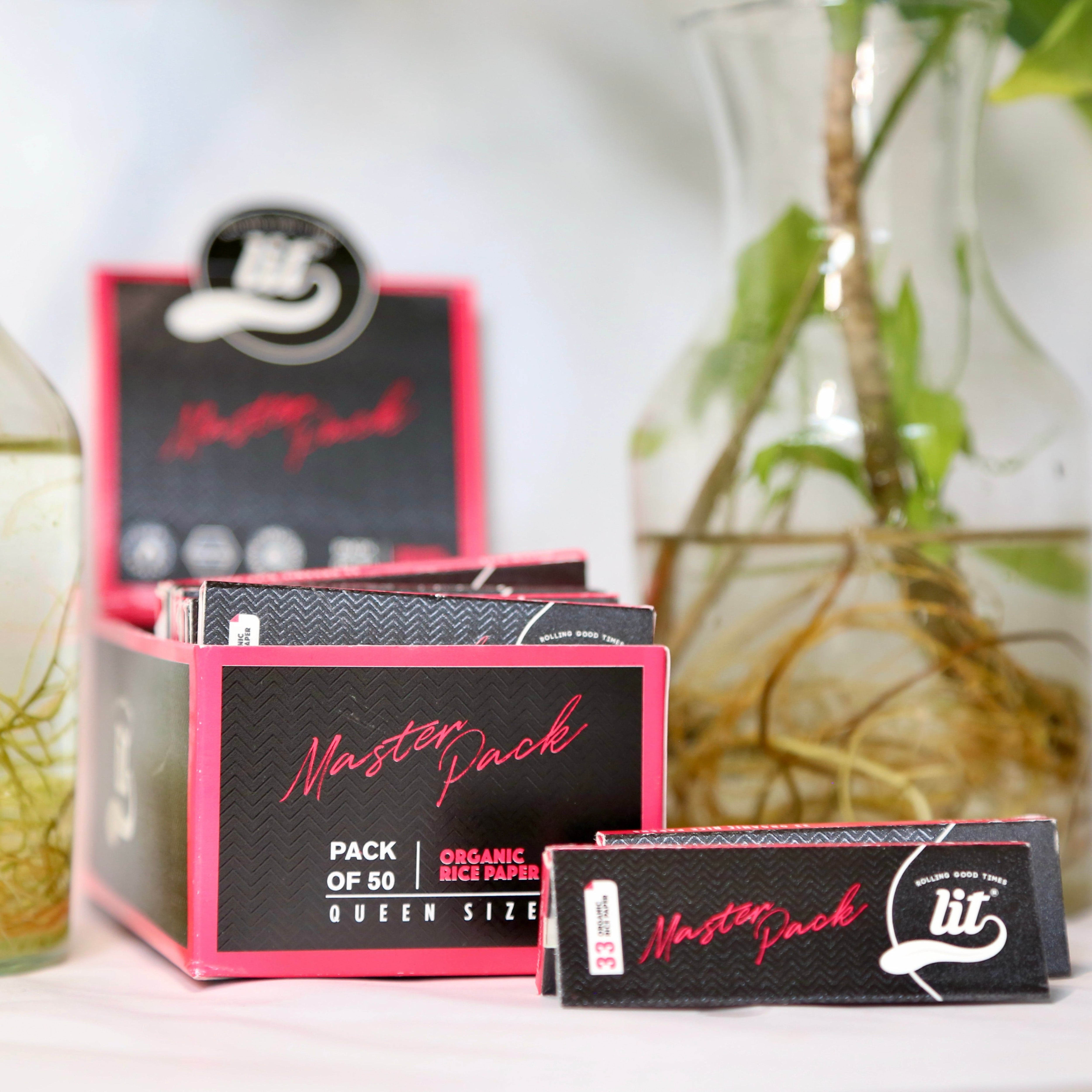


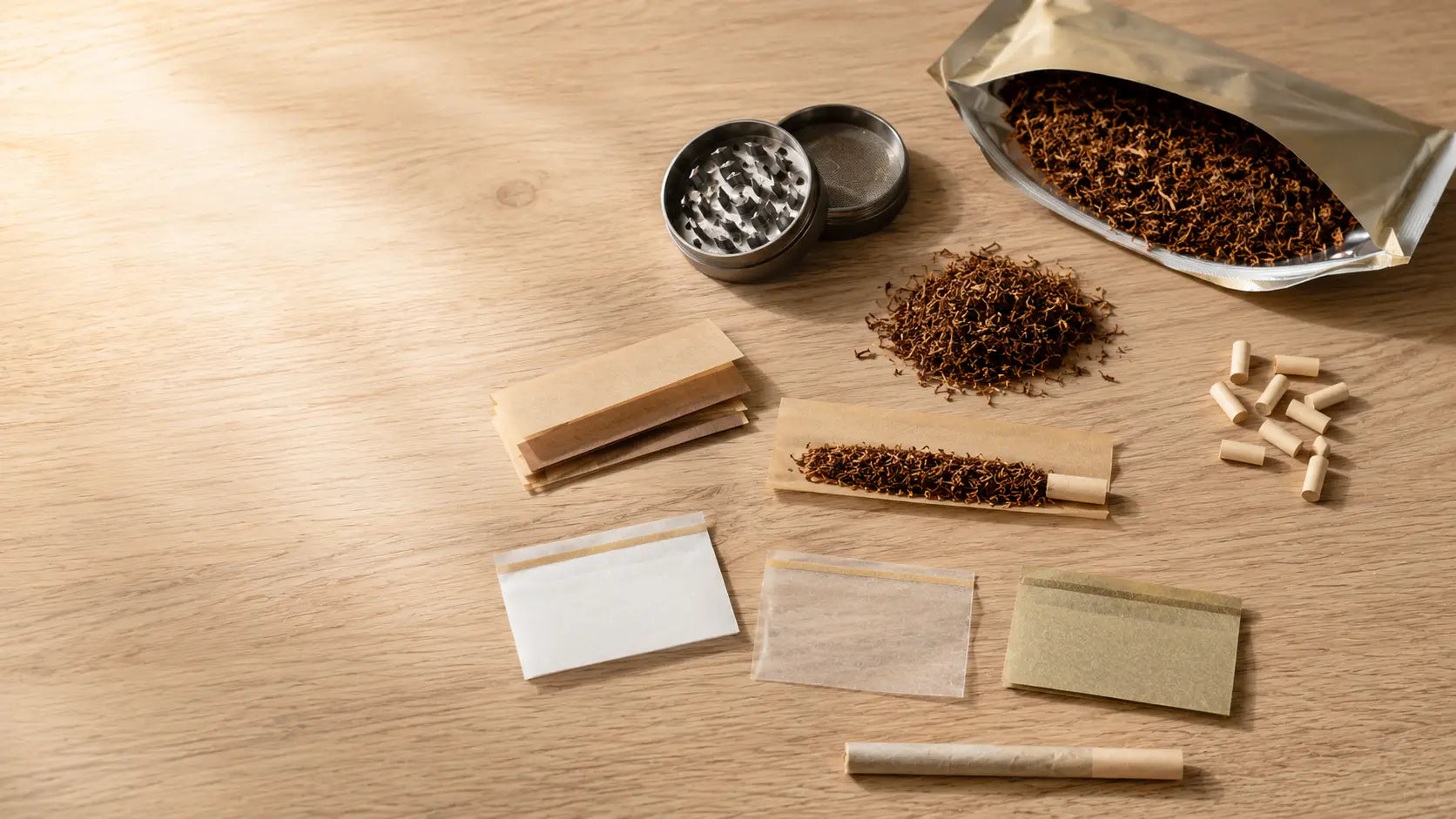
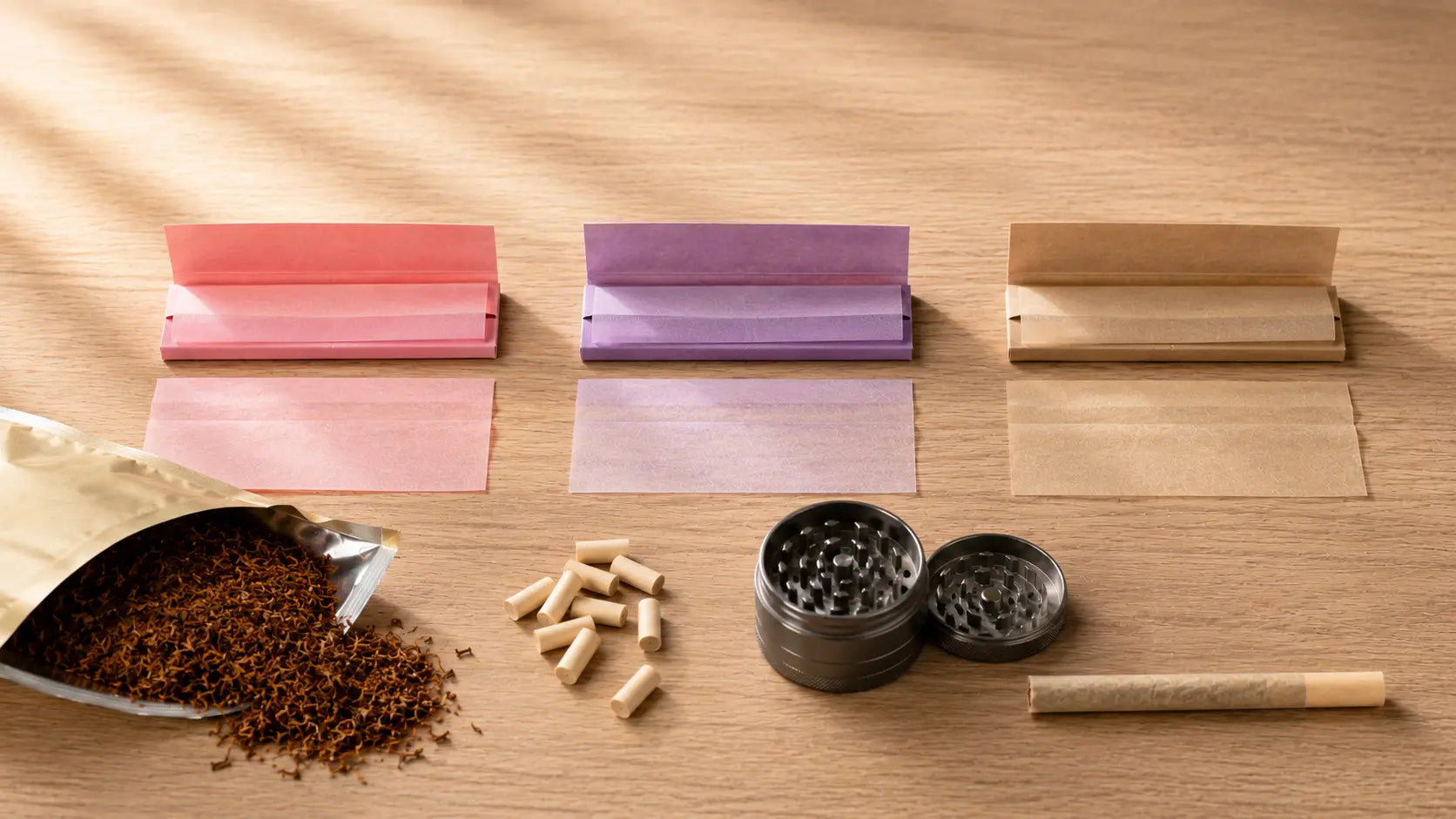
Rolling papers are thin, lightweight sheets used to wrap tobacco or other smokable materials into a hand-rolled cigarette shape. They are made from plant-based materials - rice, hemp, flax, wood pulp, or cellulose - and are sealed with a strip of natural gum along one edge.
If you have seen rolling papers in a shop and wondered exactly what people use them for, or if you are new to rolling and want to understand your options before buying, this guide covers every use case, every paper type, the right size for each purpose, and what Indian law actually says about them.
The most common use of rolling papers in India by a significant margin. Loose rolling tobacco - which is cut finer and kept at a higher moisture level than cigarette tobacco - is distributed along the length of the paper, shaped into a cylinder with a filter tip at one end, and rolled into a hand-made cigarette. RYO cigarettes cost substantially less than packaged brands and let you control the tobacco quality and quantity precisely. Lit masala premium rolling tobacco is one of the most widely used loose tobaccos for this purpose across India, available online with pan-India delivery.
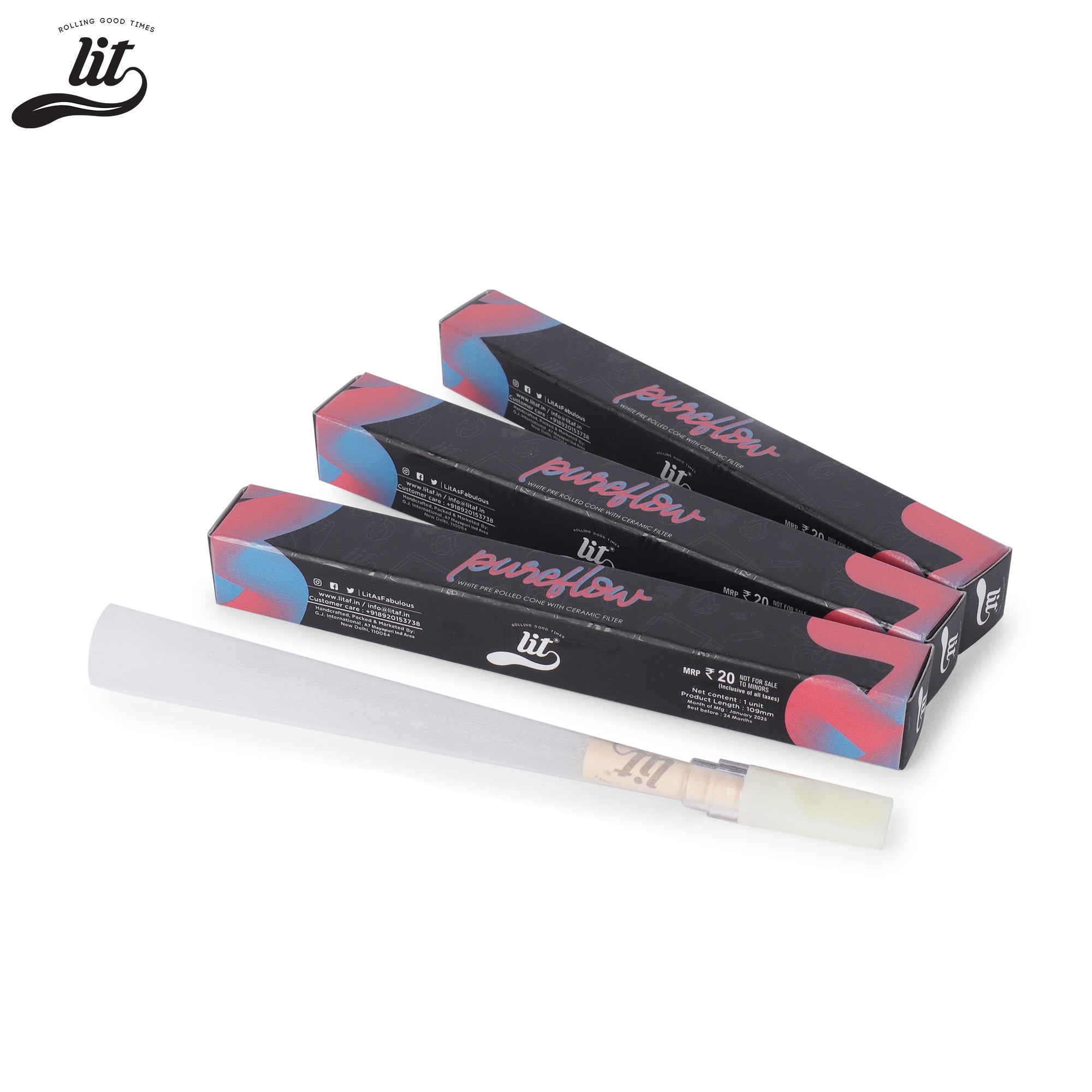
Pre-rolled cones are rolling papers that have already been shaped and sealed into a cone, with the filter already attached. You fill the open end with tobacco or a blend, pack it gently using a packing tool or a pen, and twist the tip closed. No rolling skill is required at all - the paper does the structural work for you. If you want the experience of a hand-roll without the technique, Lit pre-rolled cones are available in multiple sizes, from a regular single-session cone all the way up to the giant 300mm party cone.
Rolling papers are used by many smokers for loose herbal blends - combinations of dried herbs, spices, or plant materials rolled and smoked for their flavour or other qualities. Rice paper and hemp paper are the most common choices for herbal blends because they burn very cleanly and add almost no taste of their own, which allows the natural aroma of the blend to come through without interference from the paper.
Some rolling papers are designed specifically to add to the experience beyond just being a wrapper. Flavoured papers - infused with light rose, mango, vanilla, or similar notes - add a mild layer to the smoke that some smokers enjoy, particularly for social or occasional use. Transparent papers made from cellulose are visually striking (you can see the tobacco through the paper) and burn with almost no flavour of their own. Browse flavoured and transparent rolling papers from Lit - all available with pan-India delivery.
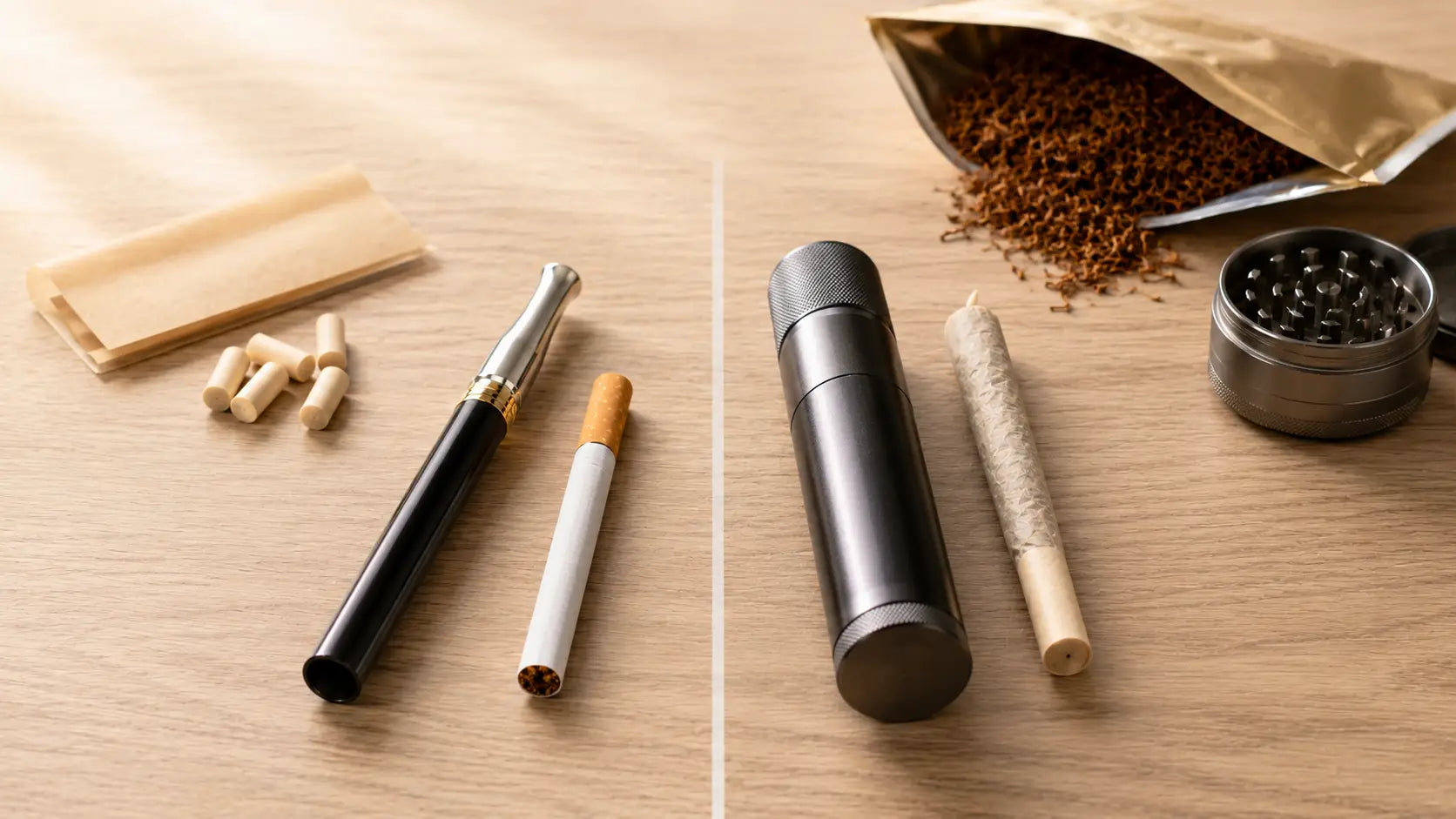
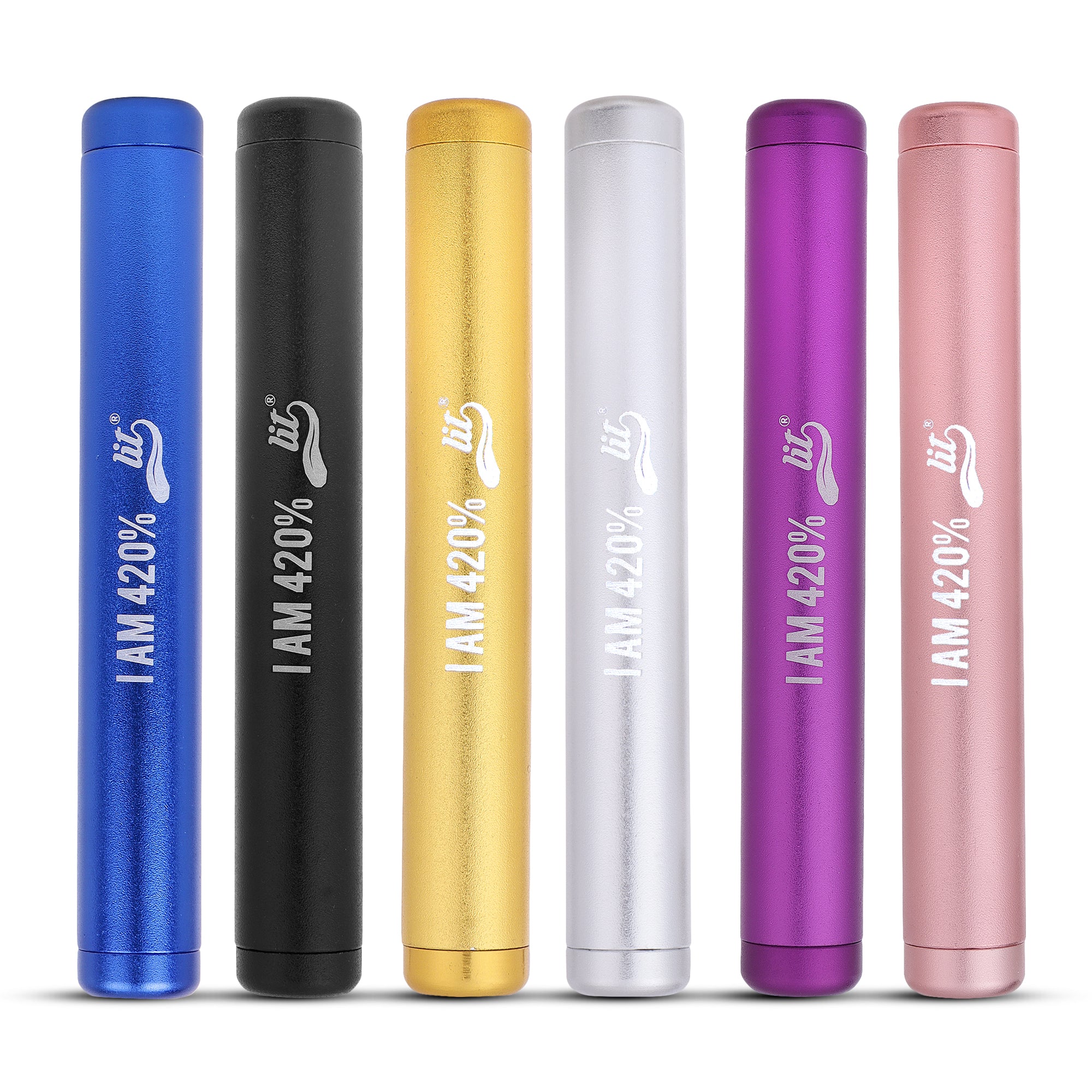
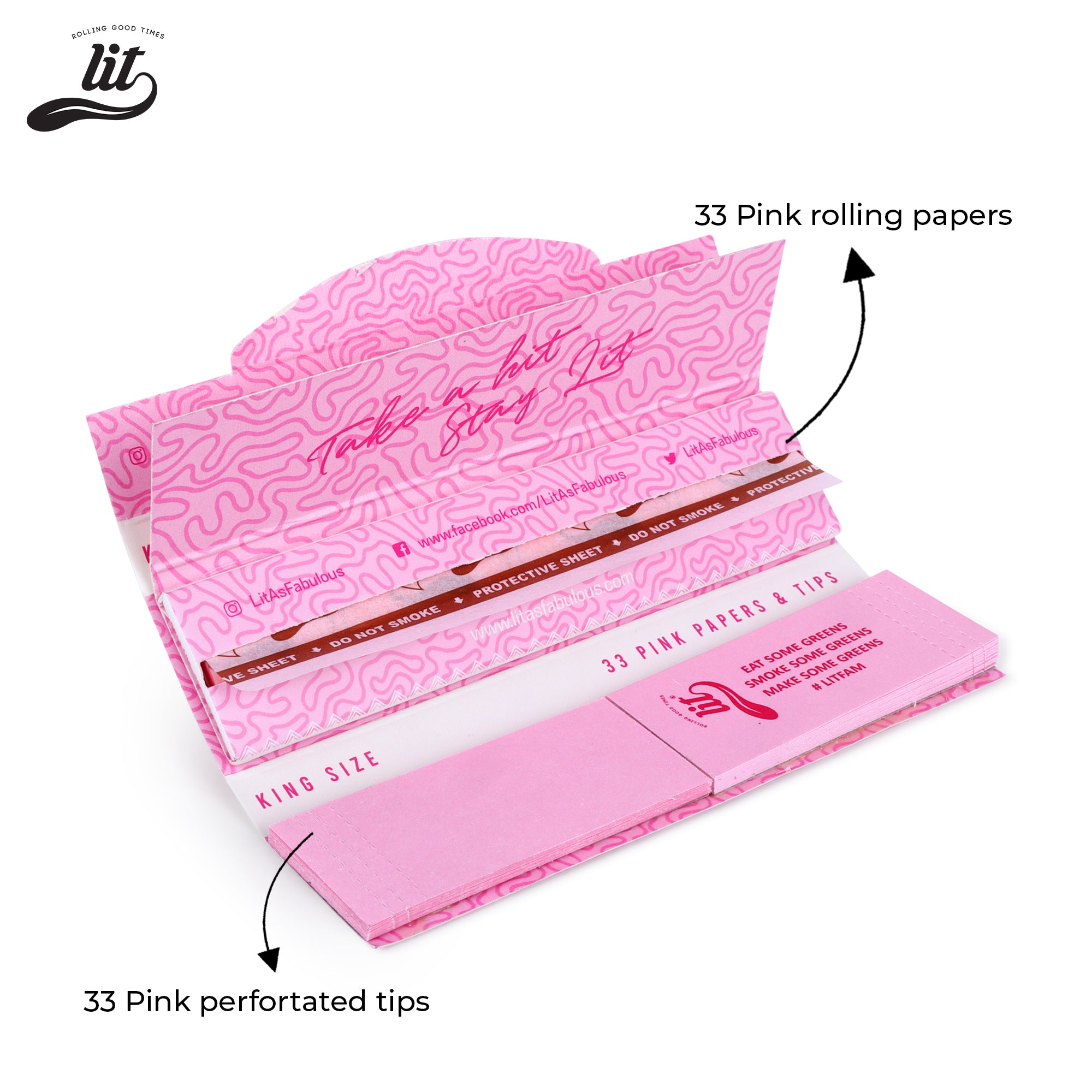
Rolling papers come with a perforated card section - called a roach book - attached to the back of most booklets. This card is torn into small strips and rolled tightly into a cylinder that acts as a filter tip at the mouthpiece end of the roll. The roach tip gives you something firm to hold, prevents loose tobacco entering your mouth, and stabilises the whole structure of the roll. Some smokers prefer a reusable alternative - a metal joint holder or cigarette holder that clips onto the end of any roll for a cleaner experience.
Not sure which paper suits your purpose?
Browse rice, hemp, unbleached, transparent and flavoured papers - all king size, all delivered across India with free stickers on every order.
Made from processed and pressed rice starch, rice papers are the thinnest option available. They burn extremely slowly and have virtually no taste of their own, which makes them the most popular choice for tobacco rolling where you want to taste the tobacco and nothing else. The thinness also means they are slightly more delicate to handle - rice papers reward a practiced rolling technique and are less forgiving for complete beginners. Once your rolling is consistent, they produce the cleanest smoking experience of any paper type.
Made from hemp plant fibres, these papers sit between rice and wood pulp in terms of thickness. They have a faint earthy undertone that complements tobacco and herbal blends well, and they are noticeably more durable than rice papers - less likely to tear mid-roll, easier to handle in humid conditions, and they hold their shape better during storage. Hemp papers are the most versatile all-round option for daily rolling. The Lit Elite Pack Hemp is a popular daily-use choice for tobacco rollers specifically.
The thickest and most beginner-friendly material. Wood pulp papers are stiff enough to hold shape even if your technique is still developing, which makes them the ideal starting point for people new to rolling. The trade-off is a slightly heavier paper taste, particularly at the beginning of the smoke. As technique improves, most regular rollers move toward rice or hemp. Wood pulp is a good bridge material.
Made from plant cellulose, these papers are see-through - you can see the tobacco or blend inside the roll clearly. They have almost no flavour contribution of their own and burn slowly and evenly. The visual appeal makes them popular for social occasions and for smokers who want something distinctive. They require a moderately practiced hand to roll well.
Bleached rolling papers are white - they have been chemically treated to remove the natural colour of the plant fibre. Unbleached papers retain a natural light brown tone and avoid certain bleaching agents used in the whitening process. Both are widely used, but many smokers prefer unbleached for daily tobacco rolling as a cleaner option. For a full comparison of what the difference actually means for your smoke, read our detailed guide on unbleached vs bleached rolling papers.
Size determines how much material fits inside and the length of the finished roll. Here is a straight breakdown:
Single wide (regular): Produces a slim, compact cigarette similar in size to a standard packaged brand. Best for light tobacco rolls and smaller filter tips. Good for smokers who prefer a shorter, quicker smoke.
King size: The most popular size for RYO in India. Produces a longer roll that holds more tobacco and burns for longer. Easier to roll than single wide because the extra paper length gives you more to work with during the tuck step. The best starting point for beginners.
King size slim: The same length as king size but narrower. Less tobacco, lighter draw, slightly more elegant in shape. Good for those who prefer a thinner roll without sacrificing the length.
Paper rolls (continuous): A long reel of paper that you tear to whatever length you need. Fully custom size every time. Best for experienced rollers. The Lit wide rolls (54mm × 5m) give you five full metres of paper in one continuous roll.
If you are new to rolling and unsure where to start, king size papers with a hemp or wood pulp material give you the most room for error and the most consistent results while you are building up the technique.
Yes. Rolling papers sold for use with tobacco are entirely legal to purchase, possess, and use in India. There are no restrictions on buying rolling papers for personal tobacco use. For a full breakdown of what Indian law says - including where restrictions do and do not apply - read our detailed article on whether rolling papers are legal in India.
Rolling papers are made from plant-based materials - most commonly rice starch, hemp fibres, flax, wood pulp, or cellulose. The adhesive strip along one edge is made from natural gum Arabic, also called acacia gum, which is a food-safe natural resin. Quality rolling papers use no synthetic adhesives, artificial bleaches, or chemical coatings. Always check the packaging - a good paper will list its materials clearly.
No. Rolling papers can be used with any dry, smokable plant material. In India they are most commonly used with loose rolling tobacco, but they are also used with dried herbal blends and other plant materials. The paper itself is inert - it does not determine what goes inside. The choice of paper material and size should match the material you are rolling and how you want it to burn.
Regular office or notebook paper contains wood pulp fillers, chemical bleaching agents, optical whiteners, and sometimes ink or coating residues - all of which produce toxic compounds when burned and inhaled. Rolling papers are manufactured specifically to burn cleanly, using food-grade materials and natural gum only. Never use regular paper as a substitute. The harm is real and not worth the convenience.
Natural rolling papers - rice, hemp, unbleached wood pulp - burn considerably cleaner than the paper wrapping in mass-produced cigarettes, which typically contains burn accelerants, flavour additives, and additional chemical processing. Using a natural rolling paper with quality loose tobacco gives you more control and fewer unknown additives than any packaged cigarette brand. For further detail on smoking paper safety, read our article on what happens if you smoke paper.
New to rolling? The Elite Pack is the easiest place to start.
Rolling papers, filter tips and everything you need - in one pack. Pink, purple and hemp variants available. Delivered pan-India.