Cart
0



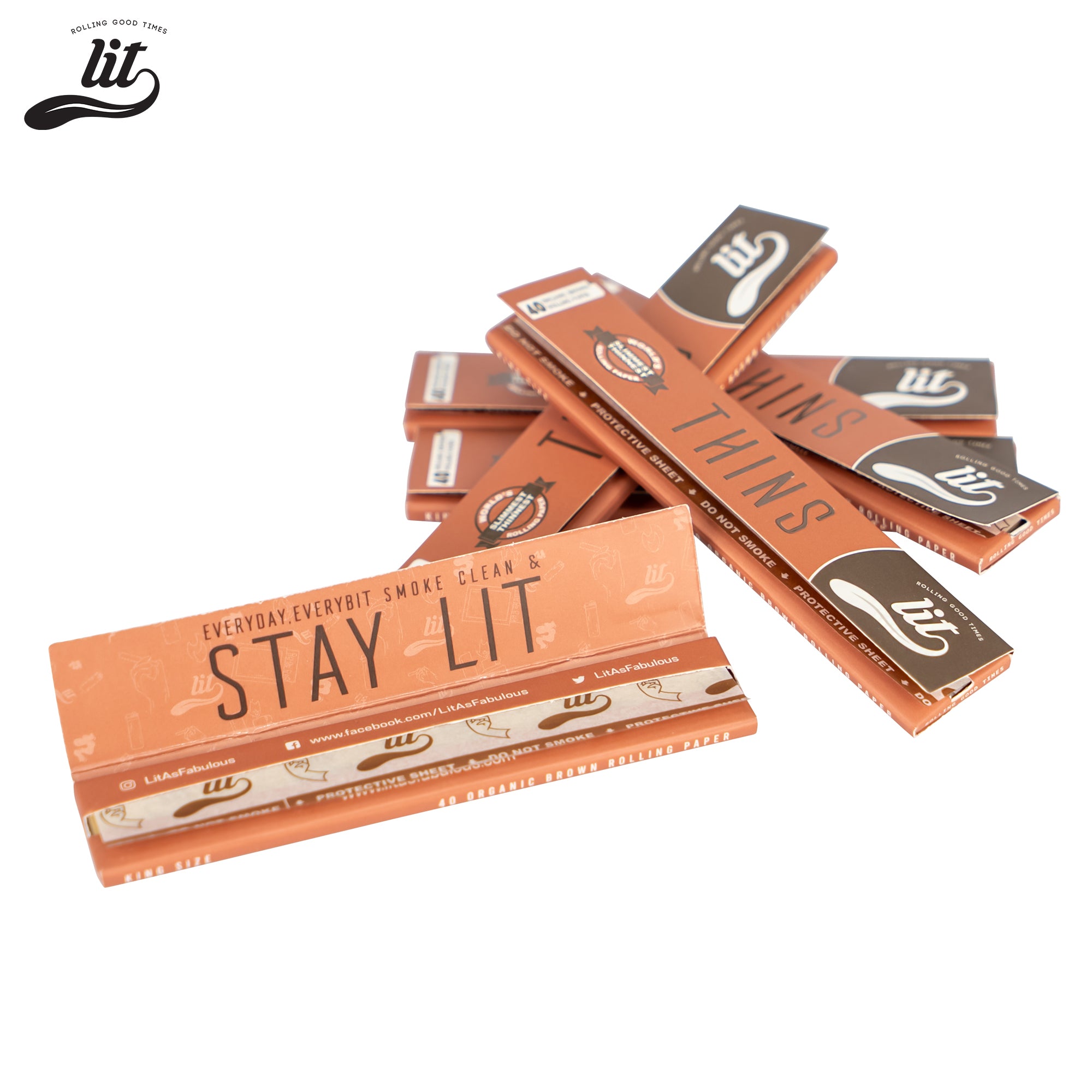
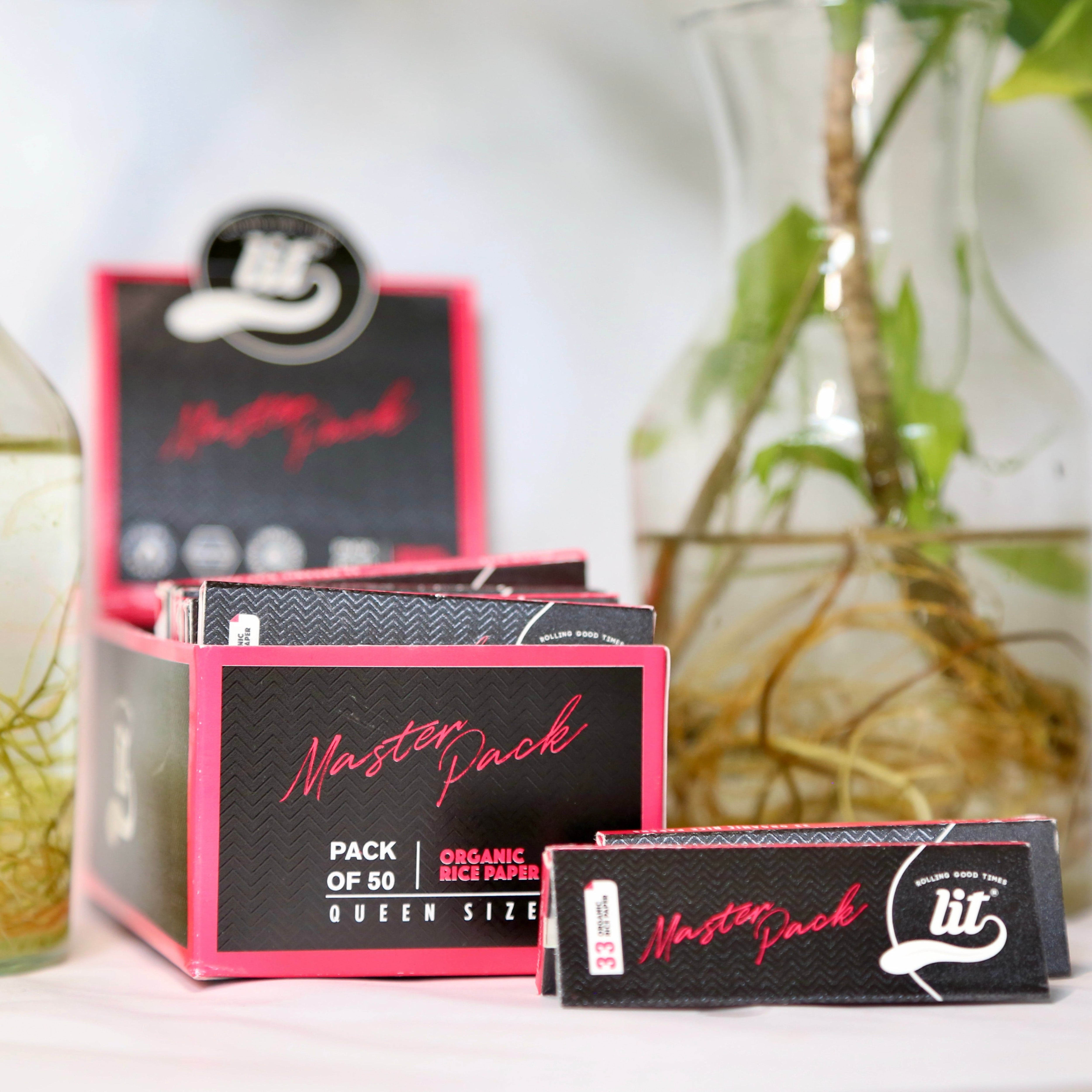
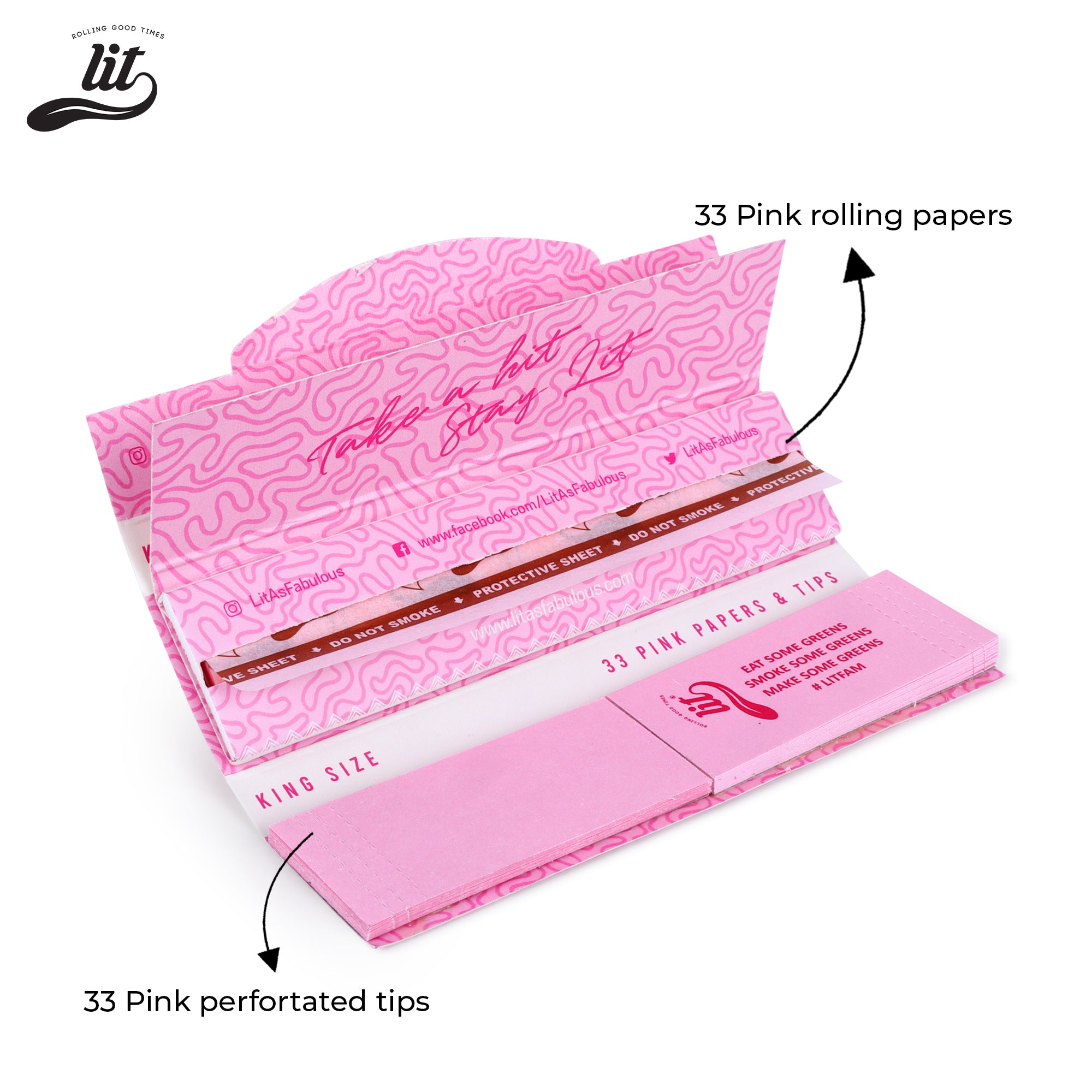


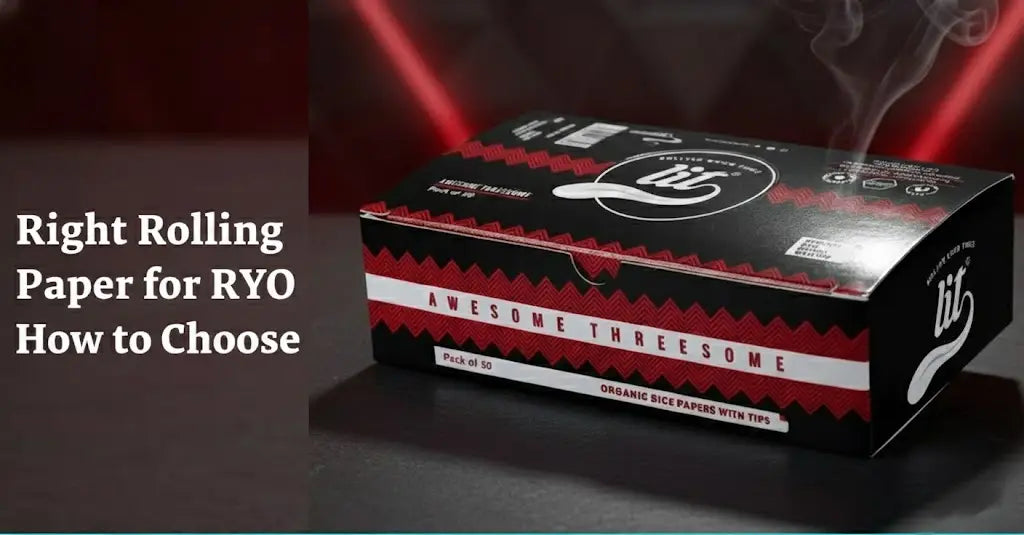
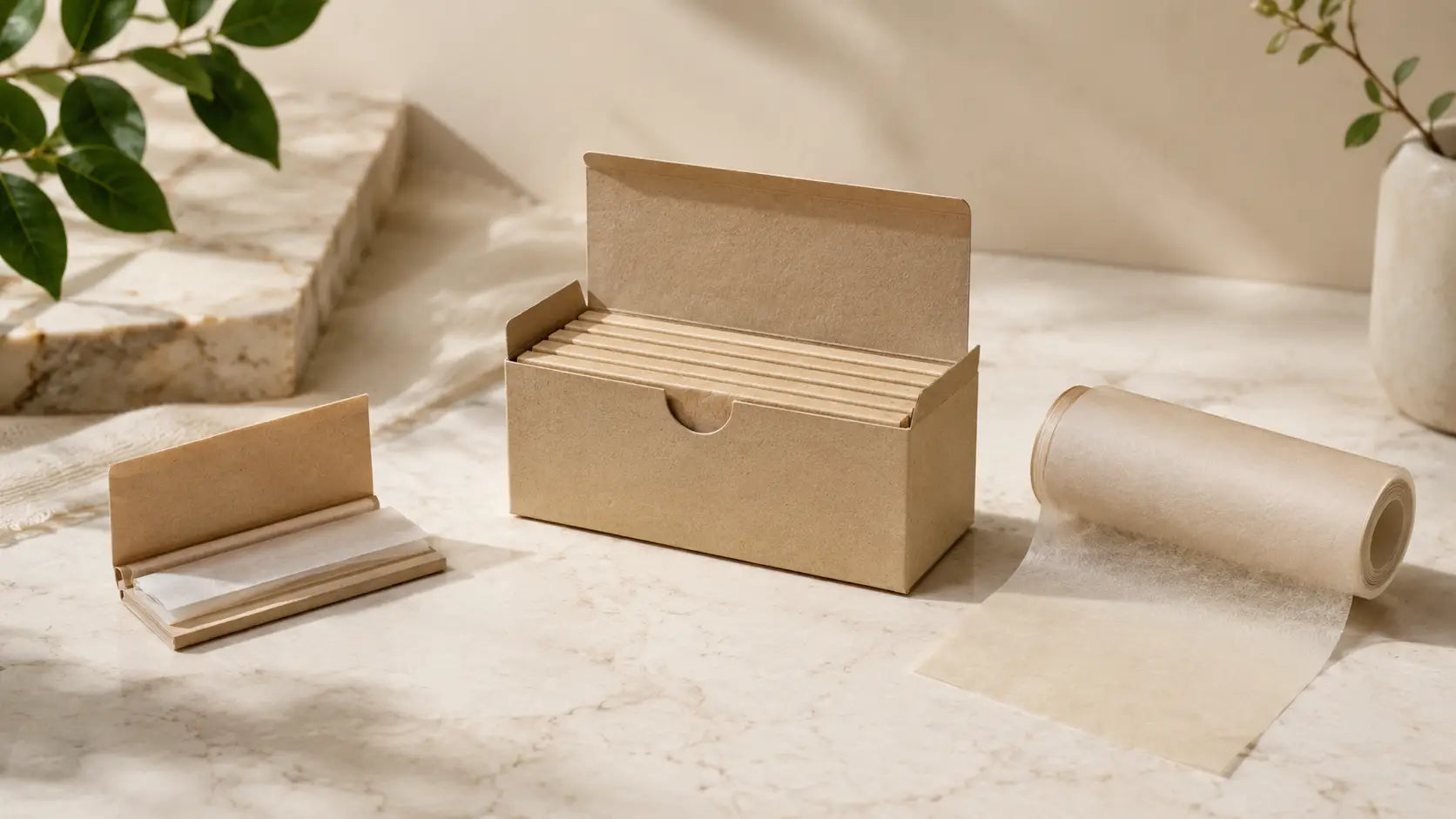
RYO users build each roll by hand, giving them full control over density, airflow, shape, and burn characteristics. This hands on approach means the rolling paper plays a far more influential role compared to pre rolled cones, where shape and airflow are predetermined. Many users searching for rolling paper online india also look for papers that support precise customization, since RYO demands a paper that matches the user’s preferred rolling technique, the blend’s moisture level, and the desired burn style
The paper acts as both the container and combustion partner in RYO sessions, so its quality shapes flavor clarity, burn temperature, and airflow stability. A well matched paper helps preserve natural taste, maintains smooth ignition, and prevents issues like canoeing or overheating. The right selection allows users to customise each session to achieve the ideal balance of smoothness, intensity, and aroma.
Beginners often prefer papers that provide more structure, grip, and easier handling, usually medium thickness wood pulp or blended fibers. Advanced users seek ultra thin papers that maximize flavor and deliver slow, controlled burns. Many experienced RYO enthusiasts also look for unbleached or organic papers when prioritising purity, airflow, and clean combustion.
Wood pulp papers are known for their strength and reliable handling, making them a popular choice for beginners. Their slightly thicker composition supports easy shaping and rolling, though they may introduce a mild paper taste and faster burn rate.
Hemp papers offer a balanced burn with minimal taste interference, appealing to users who want clean flavor expression from their blend. Hemp fibers provide good structural integrity and natural porosity, creating smooth airflow and steady ignition.
Rice papers are exceptionally thin, allowing the blend’s natural flavor to dominate without paper interference. They burn slowly and produce very little smoke, making them ideal for flavor focused RYO users. Their delicate structure may require more skill during rolling.
Flax and fiber blends combine strength, thinness, and consistent burn patterns. These papers offer improved flexibility and reduced tearing while maintaining clean taste and controlled burn rates. Blended fibers suit both beginners and advanced users who want versatility.
Unbleached and organic papers avoid chlorine, chemical whitening, and synthetic additives. These natural options ensure cleaner combustion, lighter ash, and improved flavor clarity. They are widely preferred by users who value purity and environmentally conscious materials.
Thin papers allow the blend’s aroma to shine without introducing noticeable paper taste. Because they burn slowly and produce minimal smoke, they support enhanced flavor expression and smoother sessions. Thin papers are favored by advanced users who value purity and precision.
Medium thickness papers provide the right balance between stability and flexibility, making them easier to roll for new users. Their increased rigidity helps prevent accidental tearing and supports better grip during shaping. These papers also tolerate minor packing inconsistencies better than ultra thin options.
GSM measures paper weight and density, which directly affects combustion behavior. Higher GSM papers burn hotter and generate more smoke, while lower GSM papers burn cooler and cleaner. Consistent GSM ensures stable ignition and steady airflow throughout the session. Buyers often compare GSM ratings to match their preferred burn pace and flavor profile.
Slow burn papers are designed for blends that ignite quickly or contain finely ground material. Their lower porosity reduces oxygen flow, allowing the roll to burn gradually and evenly. This prevents fast consumption and helps maintain flavor consistency throughout the session.
Medium burn papers work well for most RYO users because they balance ignition speed with steady combustion. They adapt to a wide range of material densities and moisture levels, making them dependable for daily use. These papers offer a stable burn without requiring advanced rolling skill.
Fast burn papers suit dense or moist blends that require more airflow to maintain stable ignition. They are also helpful for users who prefer shorter sessions or who pack tightly. The increased airflow supports quicker heat buildup, making ignition more reliable for difficult blends.
Porosity determines how much air moves through the paper while burning, shaping temperature and burn speed. High porosity papers allow more oxygen to reach the burning material, resulting in faster combustion. Low porosity papers restrict airflow, encouraging slower, cooler burns preferred for flavor rich blends.
Single wide papers are ideal for users who prefer small, compact rolls with minimal material. Their narrow width allows quick handling and produces efficient, short sessions suited for light users or discreet use.
The 1¼ size remains one of the most popular paper formats because it offers balanced airflow, manageable width, and easy rolling. This size supports comfortable shaping, making it suitable for both beginners and experienced RYO users.
King size papers allow extended sessions with larger material capacity, making them ideal for social settings or slow paced use. King slim papers provide the same length but reduce paper width, offering cleaner flavor and lighter paper presence.
Paper rolls provide maximum flexibility, allowing users to tailor length and shape to their preferred RYO style. These customizable options suit those who want complete control over airflow, material quantity, and session duration.
Natural gums, such as acacia, provide clean and reliable adhesion without altering flavor. Synthetic gums may offer strong sealing but can introduce unwanted taste or become inconsistent under heat. Many RYO users prefer natural gums for purity and dependable performance.
The thickness of the gum line determines how easily the paper seals and how well it stays intact during use. A well applied, thin gum line creates a secure bond without affecting burn quality. Thick or uneven gum lines may lead to peeling or airflow disruption.
Humidity plays a major role in gum line performance, especially in Indian climates. Excess moisture weakens adhesion and causes premature peeling, while overly dry conditions may reduce stickiness. Storing papers away from heat and moisture helps maintain gum strength and overall roll integrity.
Neutral flavor papers are preferred by users who want the natural profile of the blend to stand out without interference. These papers are typically thin and made from clean fibers such as hemp, rice, or flax. Their minimal smoke output and chemical free composition preserve clarity and allow the blend’s aroma to dominate.
Flavored papers add an extra sensory layer to RYO through food grade infusions like mint, fruit, or dessert inspired notes. These coatings enhance aroma and taste but may slightly alter burn temperature depending on the formulation. They are popular among casual users who enjoy experimenting with new flavor profiles.
Bleached papers undergo whitening processes that can introduce subtle changes in taste and aroma. Unbleached papers maintain their natural color and avoid chlorine or synthetic brighteners, offering a cleaner flavor experience. Many RYO users prefer unbleached papers when purity and minimal aftertaste are priorities.
Fiber density determines how resistant a paper is to tearing during rolling or packing. Papers with balanced fiber distribution provide better durability and retain structure even under pressure. Low density papers may tear too easily, while overly dense papers can feel rigid and difficult to handle.
Paper texture, thickness, and flexibility influence rolling ease. Slightly textured surfaces offer better grip, helping beginners maintain control while shaping the roll. Ultra thin papers may fold or crease unexpectedly, requiring advanced handling, while thicker papers provide stability but may add noticeable flavor.
Humidity affects paper fibers by softening or expanding them, leading to curling, warping, or compromised structure. Papers stored in humid environments lose their flatness and become harder to roll evenly. Natural and unbleached papers may handle humidity better, but proper storage remains essential for maintaining integrity.
Thick papers produce more smoke and stronger paper taste, which can overpower delicate or flavor rich blends. Many beginners select thicker papers for easier rolling without realizing the impact on taste. Thin or medium thin papers provide a cleaner and smoother experience
Gum quality determines whether the roll stays sealed and maintains structure during use. Low grade gum lines can peel, lose adhesion, or introduce unwanted bitterness. Natural gums like acacia offer consistent performance and are preferred for stability and purity.
Some users choose papers solely on affordability, overlooking burn quality, material purity, and handling comfort. Cheaper papers may tear easily, burn unevenly, or alter flavor. Evaluating value based on performance rather than price leads to more satisfying RYO sessions.
Humidity levels across India can significantly affect paper strength, gum line adhesion, and rolling ease. Users who do not account for regional climate may experience warped papers or poor sealing. Choosing papers known for humidity resilience and storing them properly helps avoid these issues.
A burn test helps reveal whether the paper burns smoothly and evenly without sudden speed changes or canoeing. Lighting a small section of the paper allows users to observe flame stability, smoke density, and any unusual odor. A consistent burn indicates good fiber quality and balanced porosity.
Inspecting ash provides insight into the purity of the paper. Clean, light ash suggests minimal additives and natural fibers, while dark or flaky ash may indicate treatments or impurities. Residue left behind on fingers or surfaces also signals lower paper quality.
A gentle tear test shows how well the paper’s fibers hold together under pressure. High quality papers tear cleanly and maintain structure, while low quality papers shred, crumble, or stretch unevenly. This test helps determine handling ease during rolling and packing.
The dry draw method involves placing the paper to the lips and inhaling lightly before rolling to detect any unwanted flavor. Neutral papers should feel clean with no strong aftertaste. If the paper introduces bitterness or artificial notes, it may affect the blend’s natural profile during a session.
Beginners benefit from medium thickness papers that provide structure and grip without overwhelming flavor. Wood pulp or balanced fiber blends offer stability and reduce tearing, making the rolling process more forgiving.
Flavor focused users often prefer ultra thin rice or unbleached hemp papers that minimize paper taste and support slow, clean burns. These papers allow the natural aroma of the blend to stand out clearly.
King size or slow burning hemp papers suit long sessions by supporting extended burn time and consistent airflow. Their structure helps maintain roll shape even when packed with larger quantities.
Eco conscious buyers lean toward organic, unbleached, and sustainably sourced rolling papers, and brands like https://litaf.in/ offer options that align with these preferences by avoiding chlorine, artificial whiteners, and harsh chemicals while providing clean combustion and reduced environmental impact.
Rice and unbleached hemp papers offer the cleanest flavor because they burn slowly and produce minimal smoke interference.
Choose thin papers for flavor purity and slow burns, but select medium thickness papers if you prefer easier rolling and more structural support.
Bleached papers may introduce subtle aftertastes due to whitening agents, while unbleached papers preserve natural fiber flavor.
Uneven burning often results from improper packing, inconsistent paper porosity, or humidity related warping.
Flavored papers work well for users who enjoy added aroma, but they may slightly influence burn temperature and overall flavor profile.
Yes, wider and longer papers allow more airflow and accommodate larger rolls, while smaller papers support compact, tighter sessions.