Cart
0



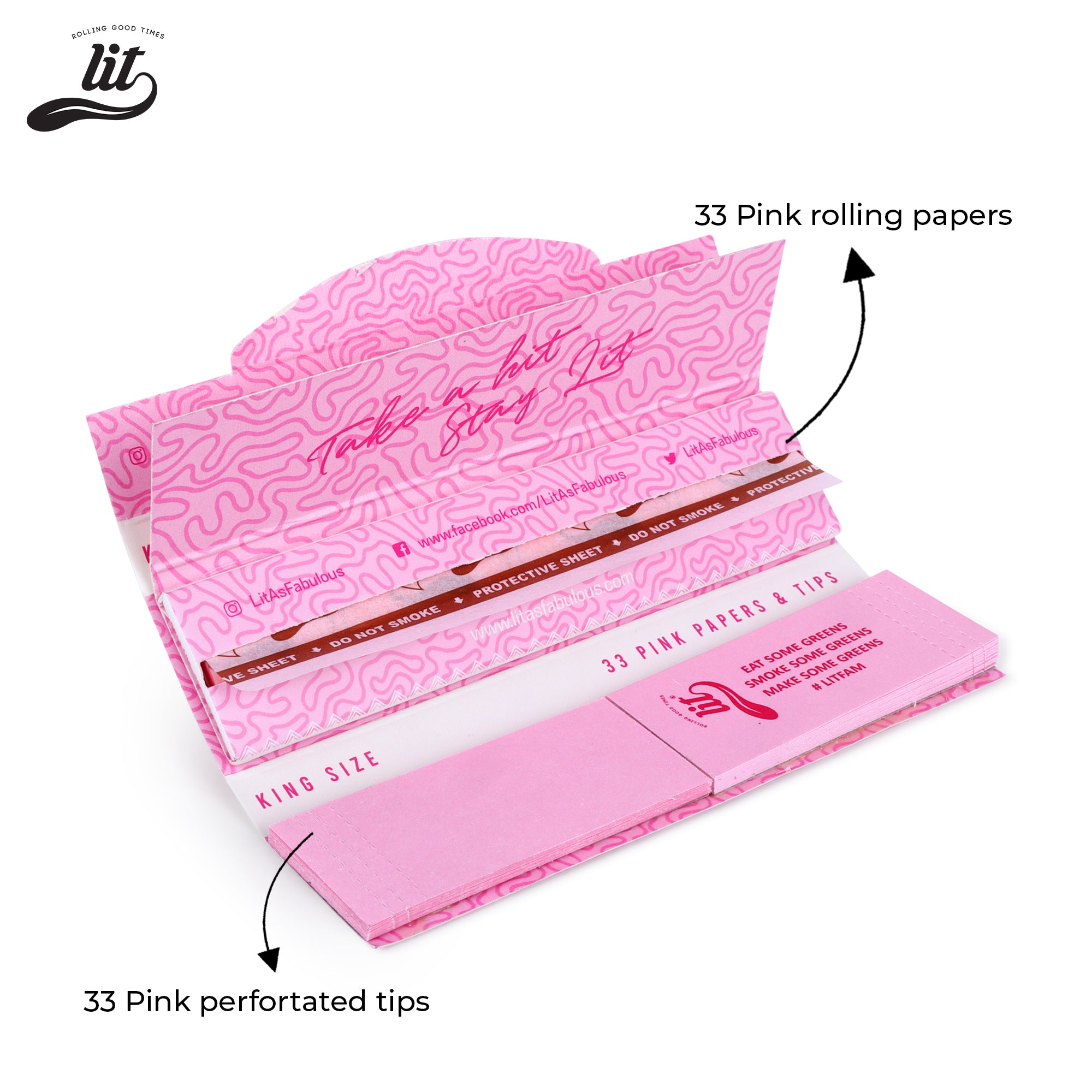



The demand for cleaner, more natural smoking accessories is growing fast. Many buyers now ask a simple question before choosing a cone — which material is actually healthier?
When browsing pre rolled cones, you will usually see three common materials: hemp, rice, and wood pulp. Each burns differently. Each is processed differently. And each affects your session in its own way.
This guide breaks down the science behind all three so you can make a smarter decision.
No rolling paper is completely risk free because combustion always produces byproducts. However, material composition, bleaching process, additives, and burn temperature all influence exposure levels.
When comparing cones, health considerations usually include:
Presence of chemical bleaching agents
Burn temperature and combustion stability
Additives or flavor coatings
Glue type used for sealing
Fiber purity and processing methods
If you already explored our article on burn science and porosity, you know that airflow plays a major role in combustion behavior.
Hemp cones are often marketed as the most natural option. Hemp fibers are long, durable, and typically require less chemical processing compared to traditional wood pulp.
Usually unbleached or minimally processed
Sustainable crop source
Balanced burn speed
Subtle, neutral flavor profile
Hemp cones generally offer a steady burn when engineered with proper porosity. Many premium rolling papers now use hemp blends for smoother airflow control.
For users prioritizing fewer additives and eco conscious sourcing, hemp is often the preferred choice.
Rice cones are known for being ultra thin. Less paper means less paper taste, which appeals to flavor purists.
Very thin construction
Minimal paper interference
Often slower burn when low porosity
However, rice paper can burn hotter if not engineered correctly. Because it is thin, airflow must be carefully balanced to avoid overheating.
Many users combine rice cones with finely prepared rolling tobacco to maintain combustion stability.
Wood pulp is the most traditional and widely used material in cigarette rolling paper production.
Strong structural integrity
Consistent burn performance
Often bleached unless specified unbleached
The main concern with wood pulp cones is bleaching. Some manufacturers use chlorine based processes, while higher quality brands use oxygen based alternatives.
Always check product descriptions before choosing.
Color alone does not determine safety. White paper is often bleached, but not all bleaching processes are equal.
Unbleached cones reduce chemical exposure during manufacturing. Many modern thins rolling papers and natural cones focus on minimal processing.
If purity matters to you, look for labels stating unbleached, chlorine free, or additive free.
Higher burn temperatures can increase harshness. Material density and airflow resistance determine how hot a cone burns.
Hemp typically burns at a moderate pace. Rice can burn slower when engineered with low porosity. Wood pulp may burn faster depending on fiber density.
This is why understanding airflow engineering from a trusted rolling paper manufacturer in India makes a difference in product quality.
Material type is only part of the equation. Pay attention to:
Gum arabic vs synthetic adhesive
Flavor coatings
Burn rate regulators
Added whitening agents
Minimalist construction usually matters more than the base fiber itself.
|
Factor |
Hemp |
Rice |
Wood Pulp |
|
Processing Level |
Low to Moderate |
Low |
Moderate to High |
|
Bleaching Likelihood |
Usually Unbleached |
Often Unbleached |
Commonly Bleached |
|
Burn Speed |
Medium |
Slow to Medium |
Medium to Fast |
|
Flavor Interference |
Low |
Very Low |
Moderate |
|
Structural Strength |
High |
Moderate |
High |
If health priority means fewer additives and minimal chemical processing, hemp and unbleached rice cones generally lead.
If structural consistency and durability matter more, wood pulp may still be practical provided it is produced responsibly.
For premium quality options, explore collections such as OCB rolling papers or browse all available rolling papers to compare material details.
Choose unbleached whenever possible
Check for additive free labeling
Prefer natural gum adhesive
Match porosity with your burn preference
Buy from transparent manufacturers
The healthiest cone is not defined by marketing claims alone. It is defined by material purity, controlled burn behavior, and responsible manufacturing.