Cart
0
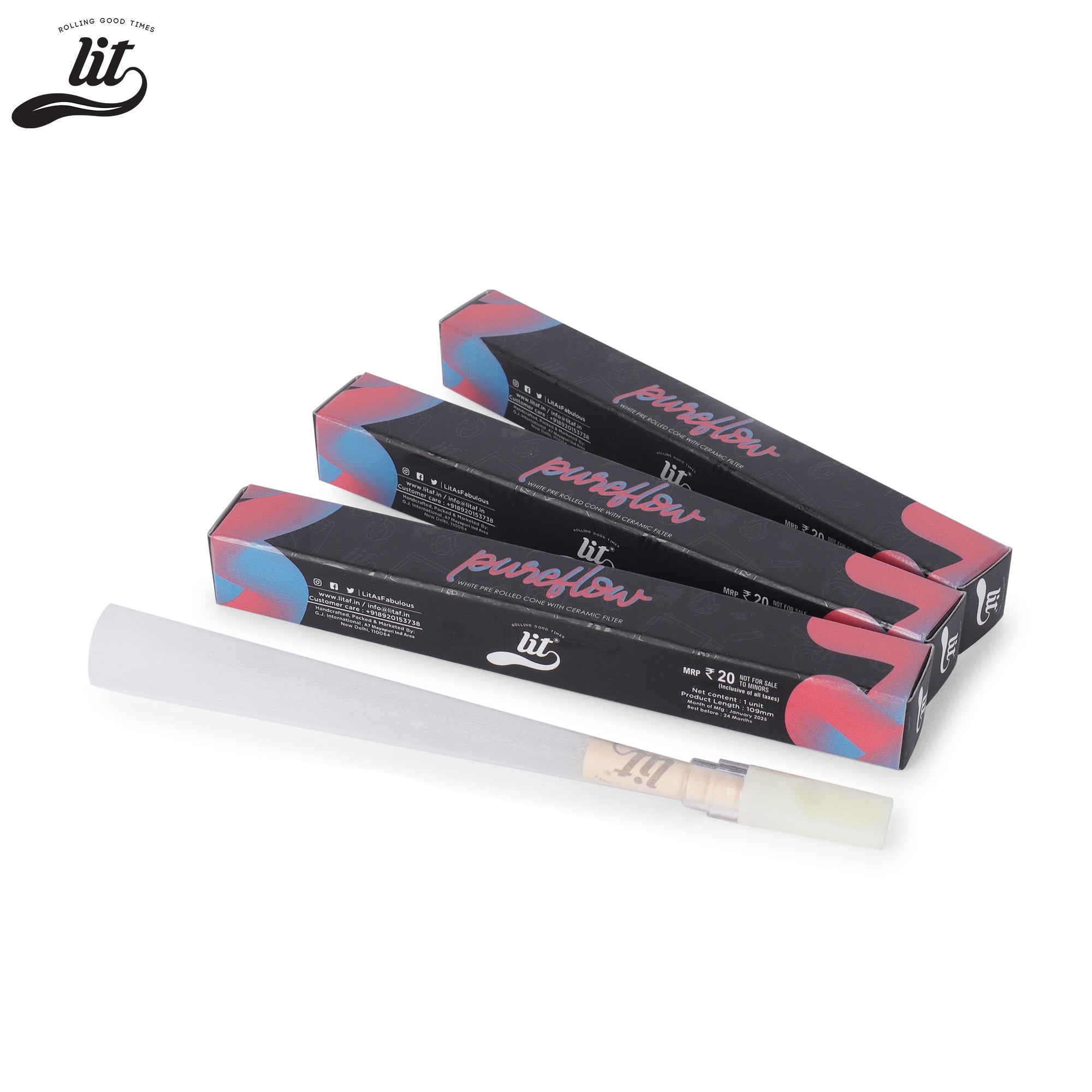



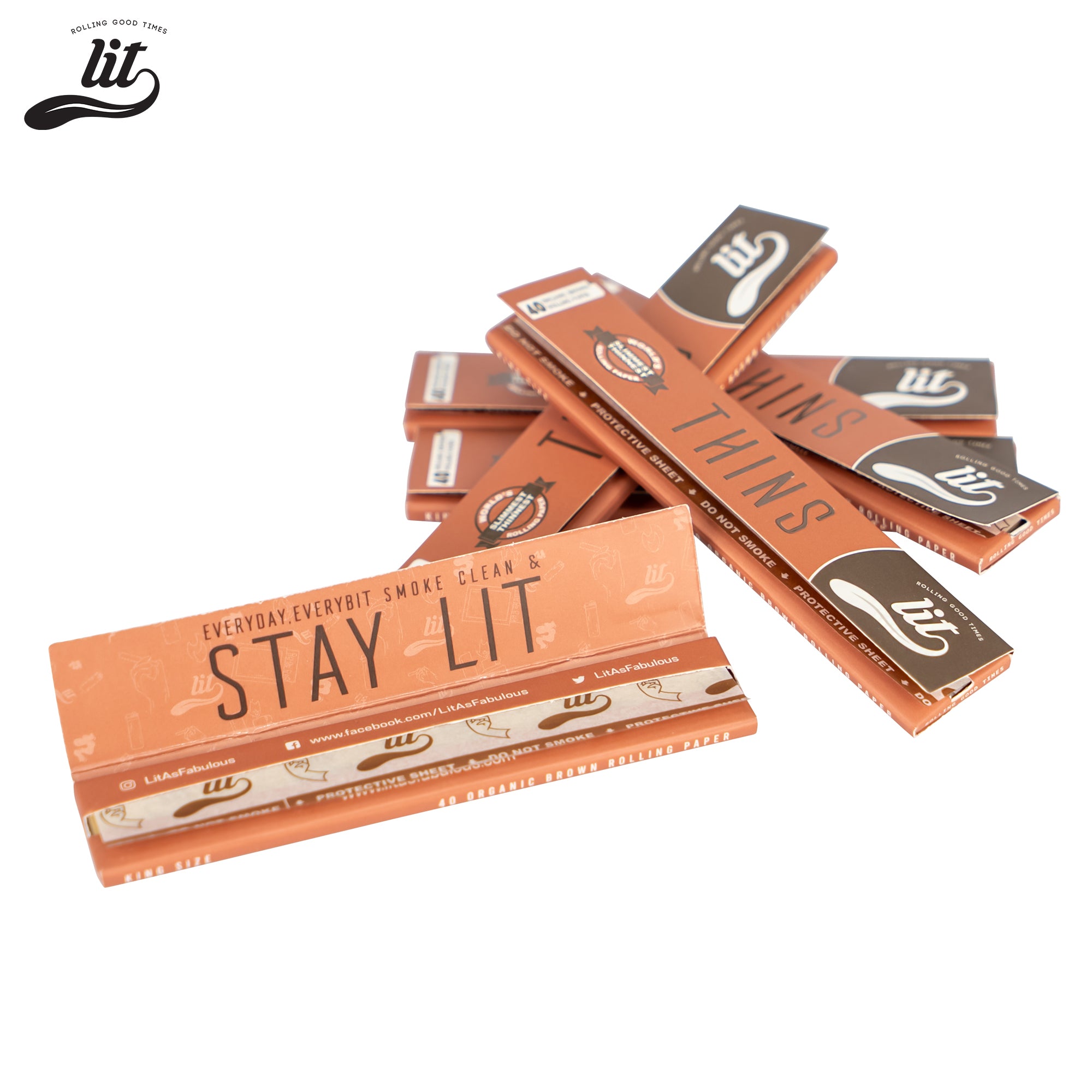
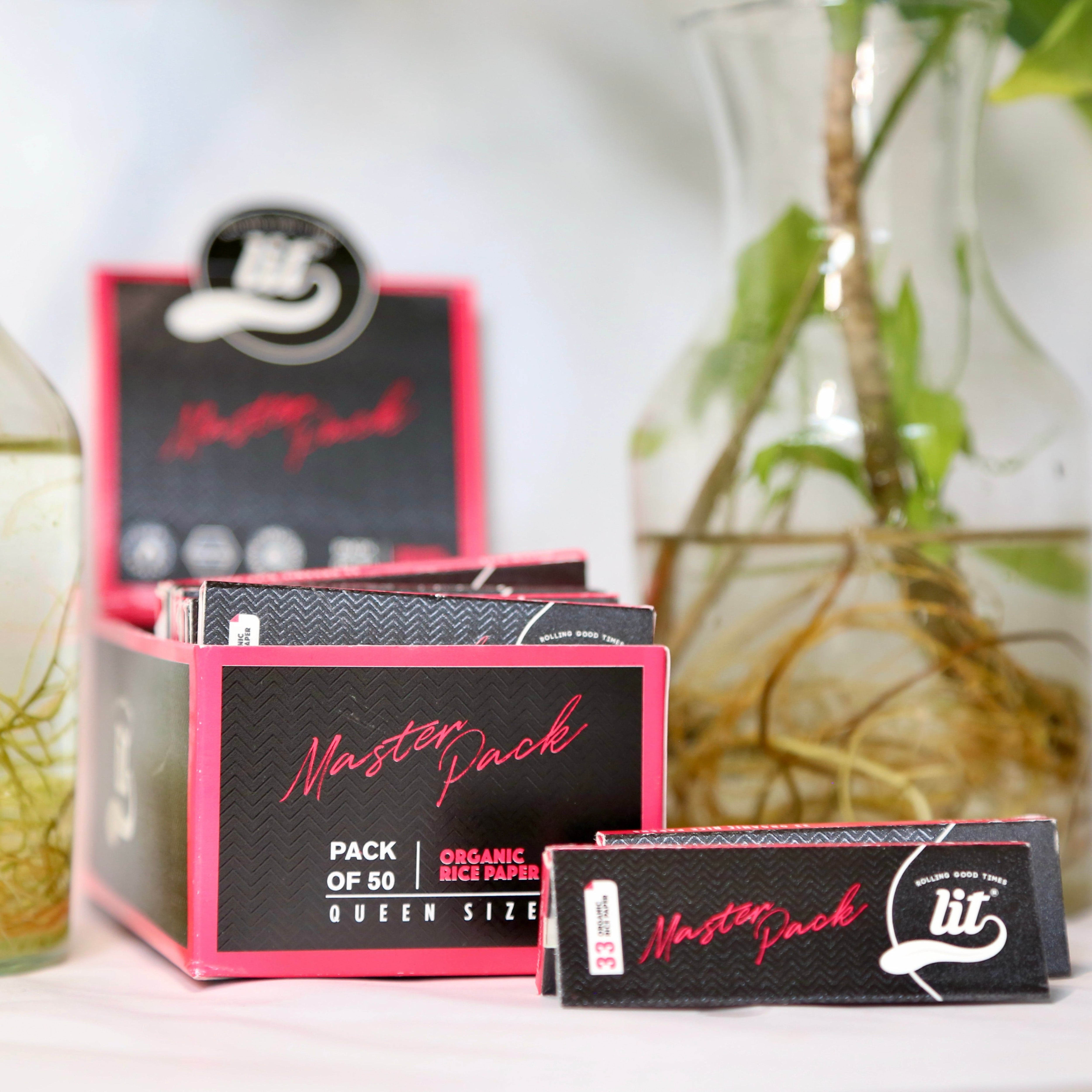



Most rollers don't think seriously about storage until something goes wrong. A booklet of papers stuck together from humidity. A pre-roll crushed flat at the bottom of a bag. Filters scattered through every pocket. Tobacco that's gone dry and crumbly before you've finished the pouch.
These aren't random bad luck - they're the predictable result of carrying rolling supplies without proper storage. A joint cigarette box solves all of it, but only if you choose the right one for how you actually roll. This guide breaks down everything you need to know: what these boxes are, what the different types genuinely offer, how materials affect your supplies, and how to pick one that fits your setup.
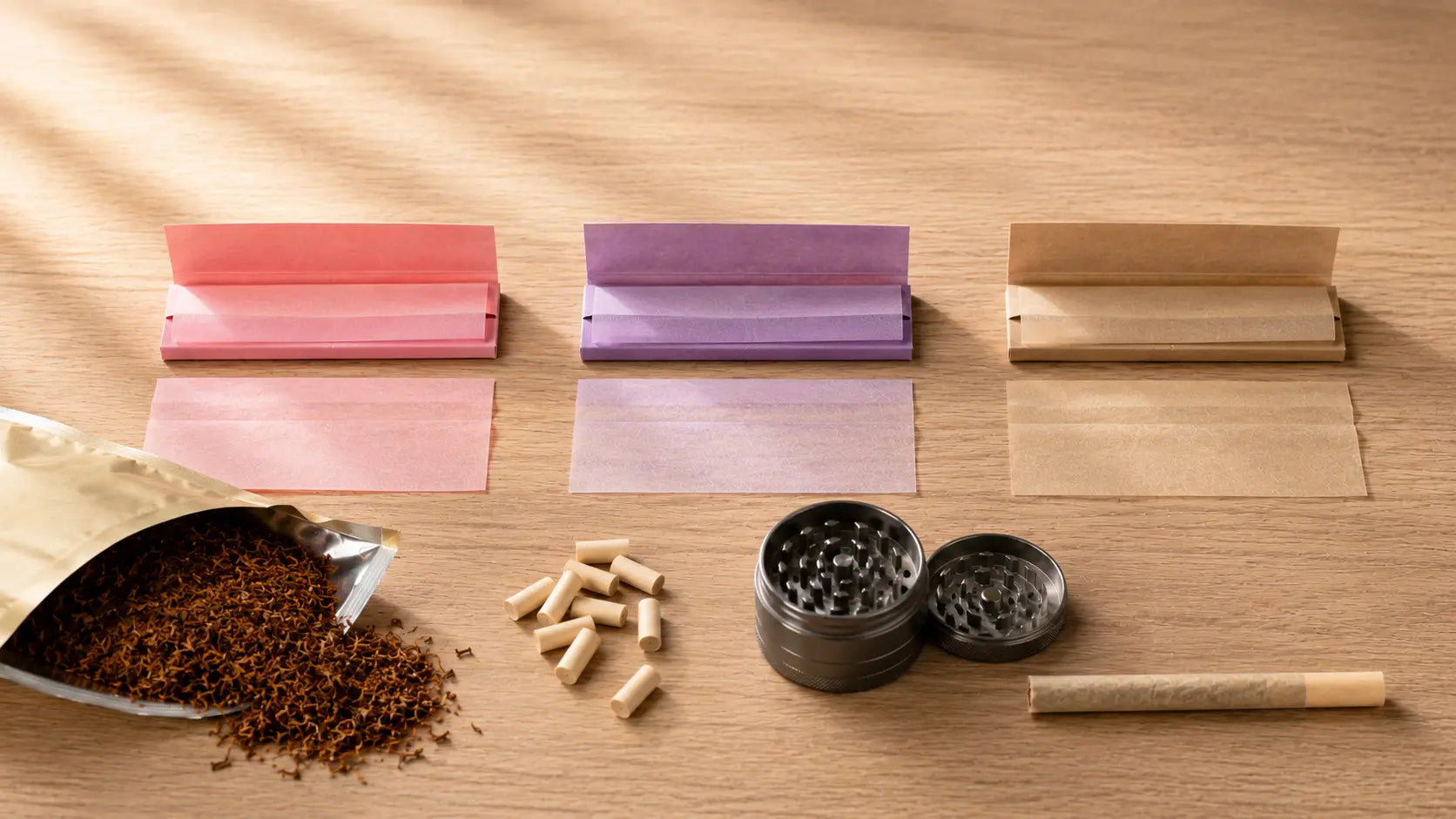
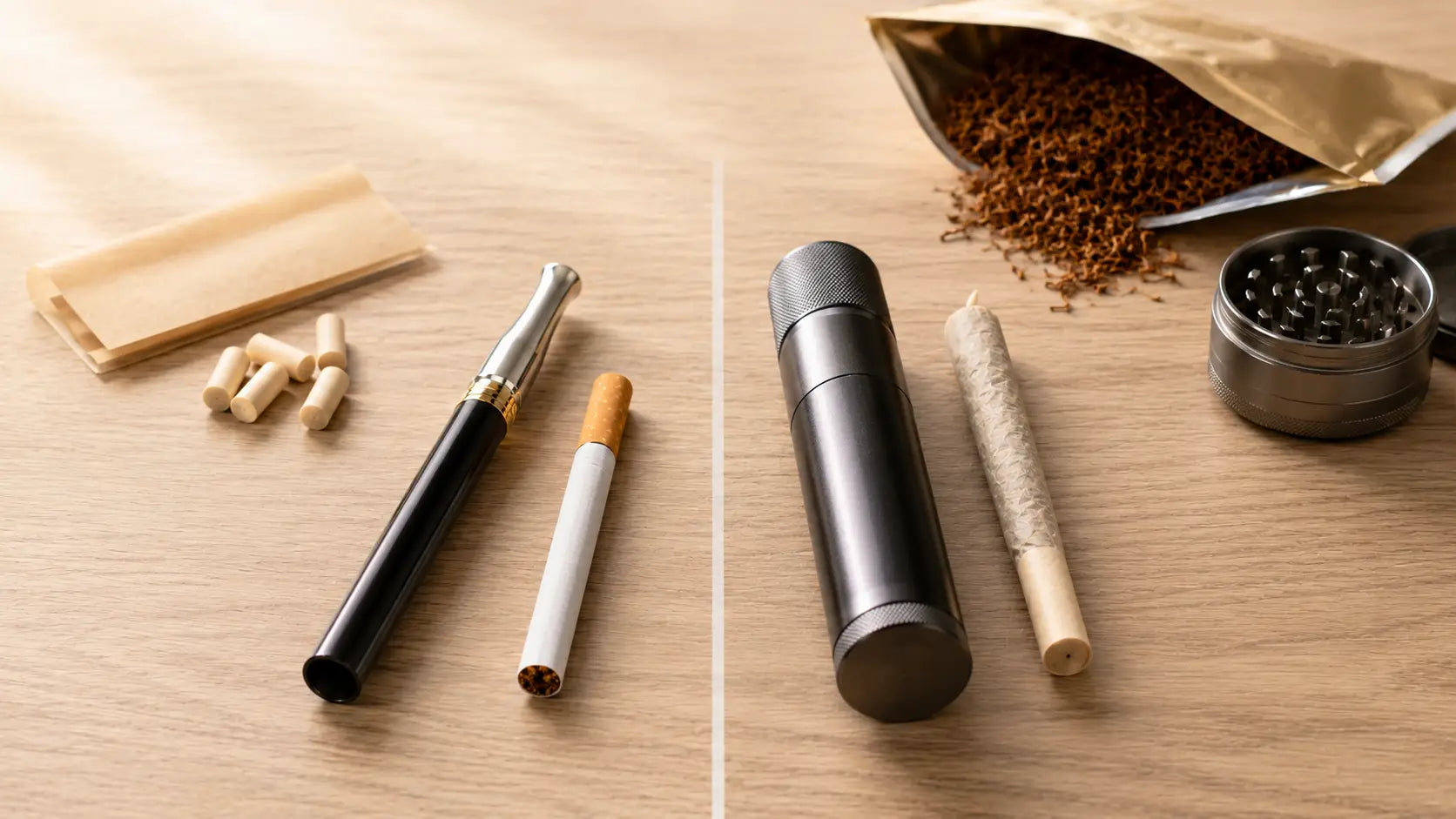
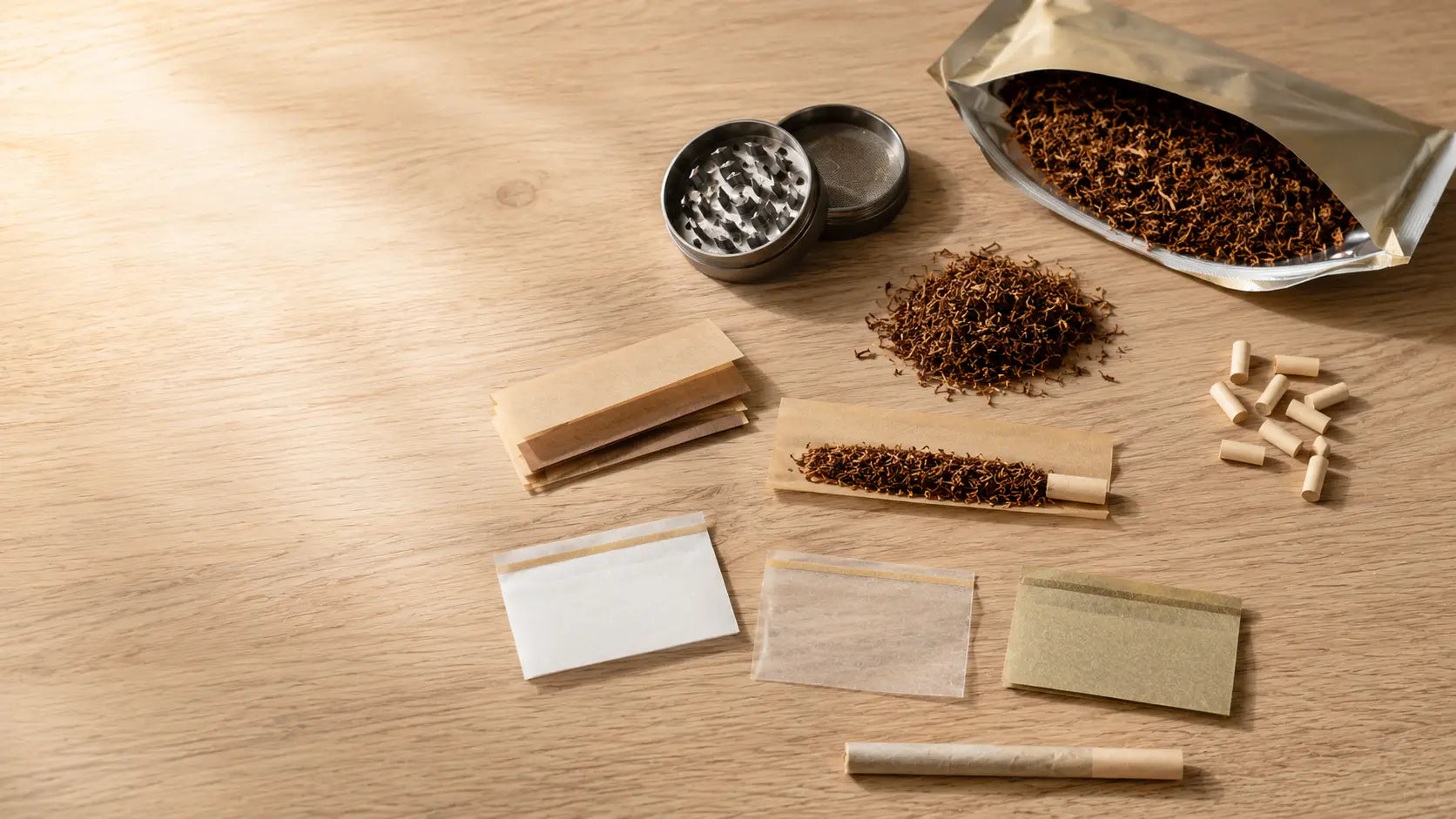
A joint cigarette box - sometimes called a rolling box, rolling kit case, or cigarette storage tin - is a dedicated container for your rolling essentials. Depending on the style, it holds some combination of pre-rolled cigarettes or joints, rolling papers, filter tips, a lighter, a small grinder, and loose tobacco or herb.
The category spans a wide range: from slim metal tins the size of a deck of cards to compartmentalised wooden boxes that sit on a desk like a proper accessory. What unites them is the purpose - keeping your kit together, protected, and in usable condition.
Rolling supplies are more environmentally sensitive than they appear. The conditions they're kept in directly affect the quality of your roll and your smoke.
Rolling papers are thin, often under 15gsm, and highly responsive to moisture. Carry them loose in a bag near a water bottle, or keep them in a warm, humid pocket, and they'll absorb that moisture. The result: papers that stick together, tear on the first crease, or won't seal properly along the gum line. Even slight dampness ruins a booklet fast.
Cold and dry conditions do the opposite - papers become brittle and prone to cracking when you try to roll. A storage box that keeps papers flat, away from moisture sources, and at a stable temperature protects against both.
This is where storage has the most measurable impact. Loose tobacco and herb exist in a narrow ideal humidity range - roughly 55–65% relative humidity. Outside that range:
Too dry (below 50% RH): Tobacco crumbles when you handle it, burns too hot and fast, tastes harsh and thin. The aromatic compounds that give tobacco or herb its flavour profile evaporate quickly in dry air.
Too moist (above 70% RH): Burns unevenly, smells musty, can develop mould with prolonged exposure. Moist tobacco is also harder to roll cleanly - it clumps and doesn't distribute evenly.
An airtight box slows moisture exchange significantly. A box with a humidity pack or built-in humidity regulation keeps conditions stable over time. If you buy tobacco in bulk or keep herb for more than a few days, this distinction matters.
A finished roll is surprisingly fragile. The paper is thin, the contents are loosely packed by design, and the twist or tuck at the end is easily damaged. Carry pre-rolls loose in a jacket pocket and you'll regularly pull out something bent, split, or unsmokable.
A rigid box - metal or wood - holds pre-rolls securely, protects them from compression, and means what you rolled earlier is exactly as you left it when you're ready to smoke.
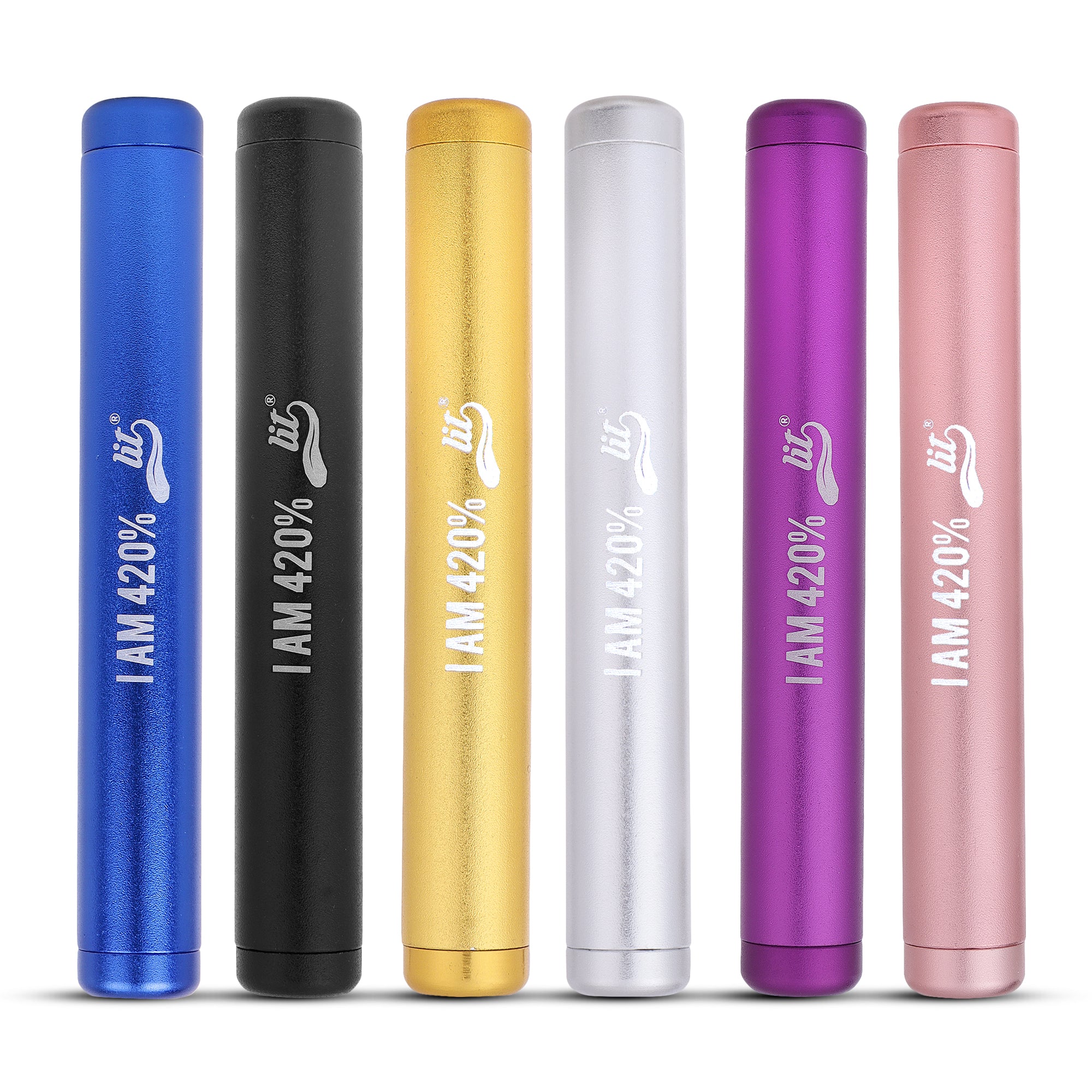
The most compact and portable option. Slim metal tins - typically aluminium or tin-plated steel - are sized to hold 5–10 pre-rolls and a lighter, fitting easily into a jeans pocket or jacket. They're lightweight, genuinely durable, and provide solid protection against crushing.
What they do well: Portability, impact resistance, basic odour containment (metal doesn't absorb smell the way fabric does).
Limitations: No humidity control. No compartmentalisation - everything sits together. Not ideal for loose tobacco storage beyond a session's worth.
Best for: Minimalist rollers, people who pre-roll at home and carry out, on-the-go use where compactness matters most.
The premium tier for home use. Wooden rolling boxes are typically larger - think 20–30cm wide - with dedicated compartments for papers, filter tips, a roller, a lighter, and a section for pre-rolls or loose tobacco. Quality versions use bamboo, walnut, or cherrywood, with smooth-fitted lids and occasionally a magnetic or latch closure.
What they do well: Organisation, aesthetics, durability over decades. Wood has natural moisture-buffering properties - it absorbs and releases small amounts of humidity, which helps moderate conditions inside the box compared to a fully airtight plastic container.
Limitations: Not portable. Wood can warp if exposed to very high humidity or direct moisture over time. Requires occasional cleaning to prevent residue build-up.
Best for: Home rollers, people who roll frequently and want a dedicated, organised space, those who take pride in their setup.
Engineered for odour containment above everything else. These use either activated carbon lining - which adsorbs odour molecules rather than just blocking them - or multi-layer airtight seals, or both. They typically come in hard plastic shells or padded fabric exteriors, with combination locks or secure zip closures.
What they do well: Genuine odour neutralisation, not just reduction. Airtight construction also doubles as decent humidity control. Locks add a layer of security for households with children.
Limitations: Bulkier than metal tins. Fabric-exterior versions can absorb odour over time if not cleaned. Activated carbon lining eventually saturates and loses effectiveness - quality brands make the lining replaceable.
Best for: Discreet storage, travel, shared living situations, anyone for whom odour containment is a priority.
A box with everything included: rolling tray, paper slot, filter tip compartment, space for a lighter and grinder, and pre-roll storage. Some come with starter supplies - papers, tips, even a small grinder - making them a complete setup from day one.
What they do well: Convenience for new rollers or anyone building a kit from scratch. Everything has a place immediately.
Limitations: The included accessories are often entry-level quality. As your preferences develop, you may outgrow the included papers or filters and be left using the box as storage only - which is fine, but worth knowing.
Best for: People new to rolling, gift sets, anyone who wants a complete organised kit without sourcing components separately.
A distinct category from standard portable tins - these are purpose-built for travel, with padded interiors, TSA-friendly designs, and often waterproofing. Sizes range from small pouches to medium hard-shell cases depending on how much you carry.
What they do well: Protection in bags that get thrown around, resistance to accidental compression, weather resistance.
Limitations: Overkill for daily local use. Can be bulkier than a simple tin.
Best for: Frequent travellers, festival-goers, outdoor use where bags take more abuse.
Engraved metal tins, hand-painted wooden boxes, custom-printed designs - these prioritise personal expression alongside function. Quality decorative boxes are fully functional and often made from the same materials as premium standard options, just with added visual identity.
What they do well: Personality, gifting, making a daily habit feel more personal and considered.
Best for: Gifts, collectors, anyone who wants their kit to reflect their aesthetic.
|
Material |
Humidity Control |
Odour Containment |
Portability |
Durability |
|
Metal (tin/aluminium) |
None |
Good (doesn't absorb) |
Excellent |
Very high |
|
Wood |
Moderate (natural buffer) |
Moderate |
Poor |
Very high |
|
Hard plastic |
Good (airtight options) |
Good |
Good |
High |
|
Soft fabric/padded |
None |
Poor over time |
Excellent |
Moderate |
|
Carbon-lined |
Good |
Excellent |
Moderate |
High |
1. Match the box to where you use it If you roll primarily at home, portability is irrelevant - prioritise compartmentalisation and freshness. If you roll on the go, size and pocket-fit matter more than anything. A beautiful wooden box that never leaves your desk is a bad choice if you're always rolling out of your bag.
2. Think about what you actually carry Make a mental list: papers, tips, lighter, grinder, pre-rolls, loose tobacco? The more items on that list, the more you need compartments. A tin that holds everything loose together is fine for pre-rolls and a lighter. It's not fine if you're also carrying loose papers and tips that will end up mixed together.
3. Airtight seal - how important is it to you? For pre-rolls only: basic metal tin is sufficient. For loose tobacco or herb stored more than a day or two: an airtight seal is worth prioritising. For long-term bulk storage: look for airtight plus humidity control.
4. Check the hinge and closure quality This sounds minor until a hinge snaps after three weeks. On metal tins, check that the hinge feels solid rather than thin and stamped. On wooden boxes, look for a fitted lid that closes with slight resistance - it should feel snug, not loose. Magnetic closures on premium wooden boxes are a good sign of quality.
5. Internal dimensions for pre-rolls Standard cigarettes and pre-rolls are 84–100mm long. King-size rolls can reach 110mm. Check the internal length of any tin or box before buying - a box that's 80mm internally won't fit a standard roll flat.
6. Ease of cleaning Resin and tobacco residue build up inside any box over time, particularly around pre-roll storage areas. Smooth-interior metal and plastic clean easily with a cloth. Wood requires more care - avoid excess moisture and use a dry cloth or a small amount of wood-safe cleaner. Fabric interiors are the hardest to keep clean.
Good organisation isn't about having a perfect system - it's about removing the friction from your rolling routine. A few habits that make a real difference:
Assign fixed places for everything. Papers always in the same slot. Tips always in the same compartment. If everything has a place, restocking is simple and you never dig around looking for anything.
Keep papers horizontal and flat. Papers stored vertically under pressure from other items - a lighter, a tin of tips - will crease along the spine and roll unevenly. Flat storage keeps the booklet in perfect condition.
Don't mix loose tips with pre-rolls. Tips scatter and end up inside pre-rolls or stuck to the paper. A small internal pouch or a separate tin for tips solves this entirely.
Rotate your tobacco. If you store tobacco in your box, use what's there before adding fresh supply. Layering fresh tobacco over older stock means the older tobacco continues to dry out at the bottom.
Clean the box monthly. A quick wipe of the interior prevents residue from affecting the taste of fresh papers or the smell of clean supplies. For metal tins, a dry cloth is usually sufficient. For wooden boxes, a very slightly damp cloth followed by thorough drying.
A quality rolling box is one of the most practical gifts you can give a regular roller - because unlike papers or lighters, it lasts. It becomes part of their daily routine in a way that consumables don't.
For gifting, consider:
A personalised wooden box with engraved initials or a short message - genuinely memorable and used daily
An all-in-one kit for someone newer to rolling who'd benefit from a complete, organised setup
A smell-proof case for someone who travels frequently or values discretion
A premium metal tin paired with quality papers, filter tips, and a lighter - a complete carry kit that looks considered
The key is matching the box to how they roll. A home roller doesn't need a pocket tin. An on-the-go roller doesn't need a large wooden desk box. Getting that right is what makes the gift genuinely useful rather than decorative.
A joint cigarette box is a small investment that pays off every day you use it. Fresh papers, intact pre-rolls, organised supplies, and no more hunting for a lighter at the bottom of your bag. Once you roll with a proper storage setup, the alternative feels unnecessarily chaotic.
The right box depends on your rolling habits - where you roll, what you carry, and how much you care about freshness and organisation. Use this guide to identify what actually matters for your setup, and choose accordingly.
At Litaf.in, we carry a range of rolling storage solutions - from compact everyday tins to premium wooden rolling boxes - built for smokers who want their setup to work as well as it looks.