Cart
0



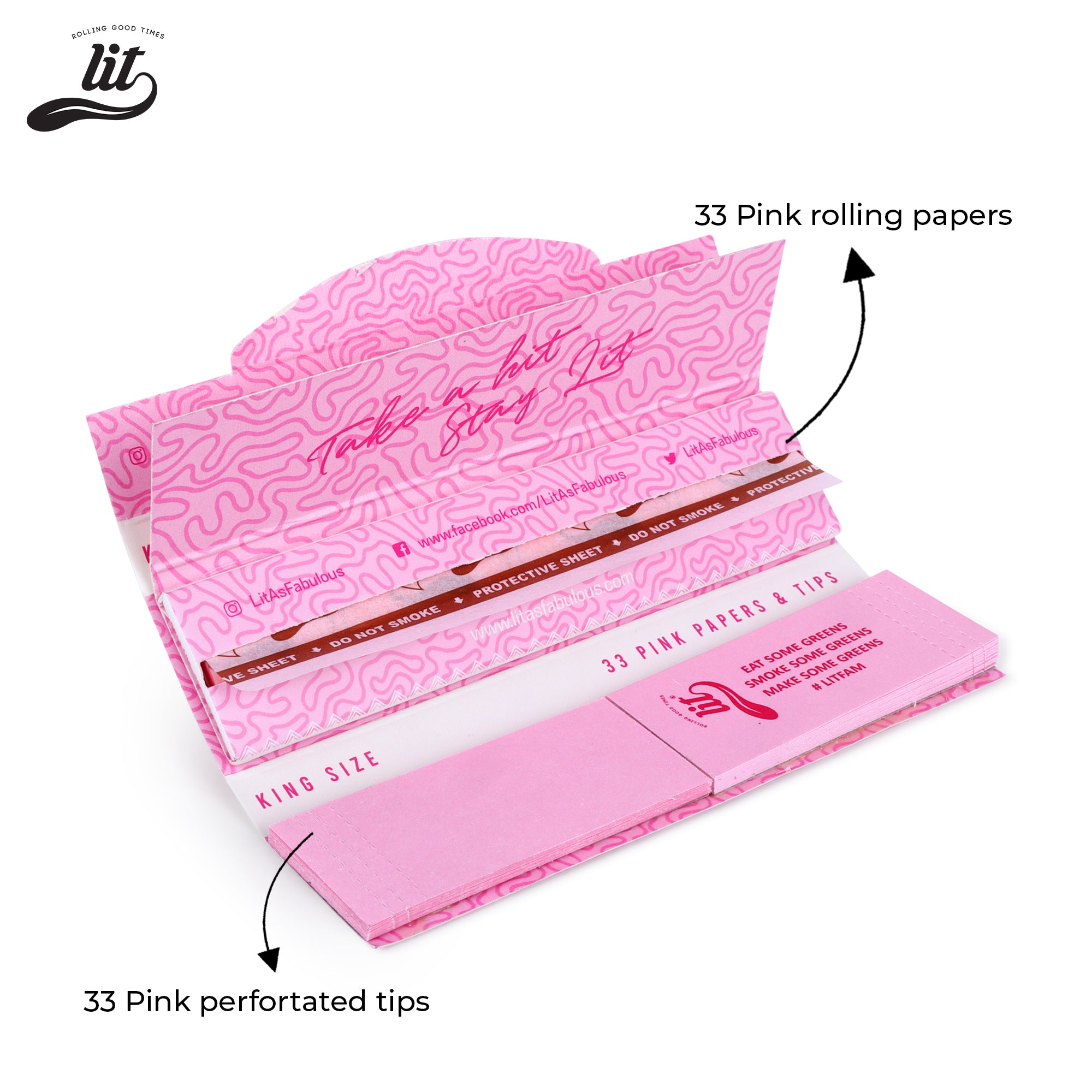



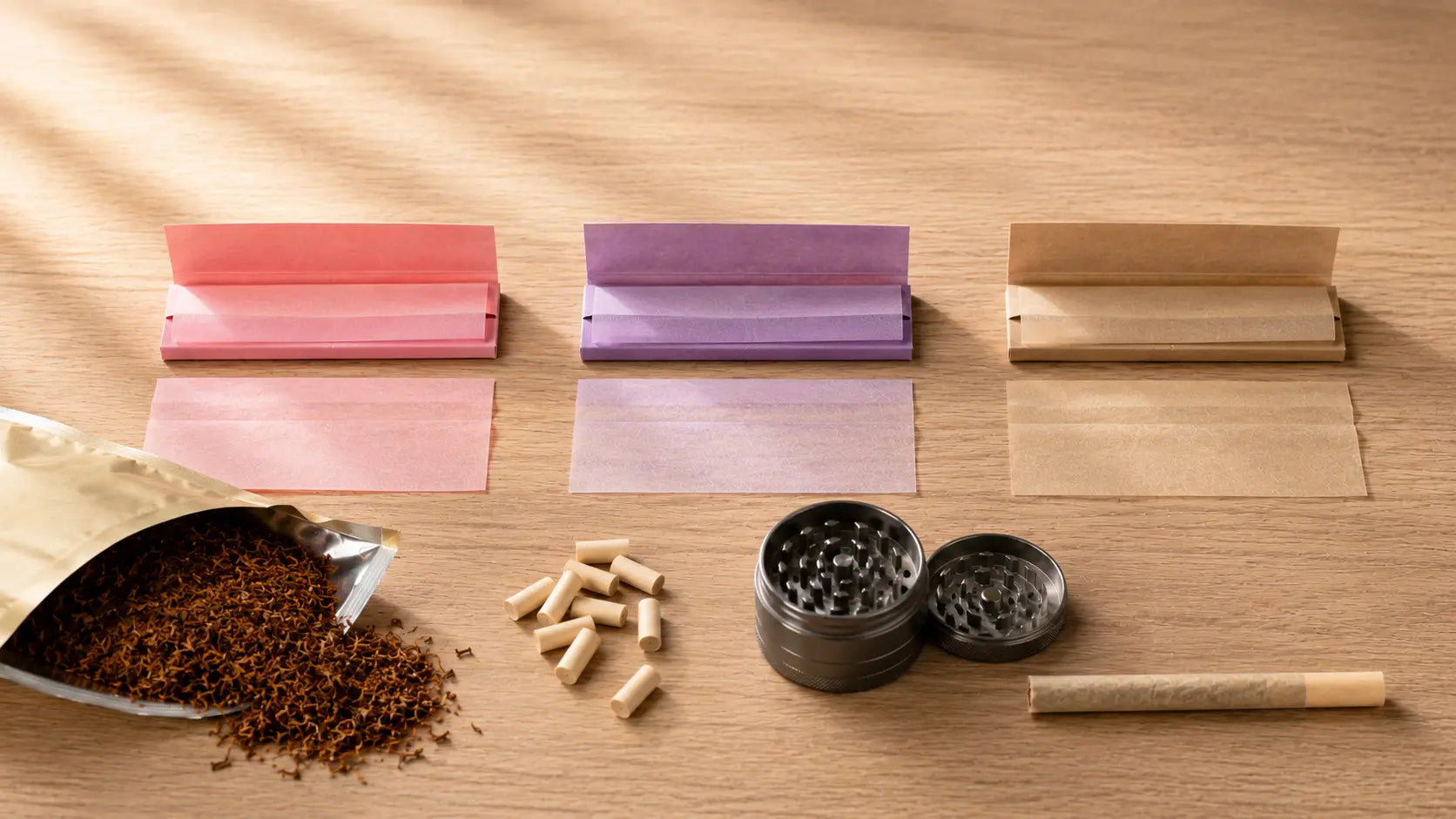
A few years ago, pink rolling papers were a novelty - the kind of thing you'd notice once and forget. Now they're a fixture in smoke shops, rolling kits, and social media posts across the rolling community. That shift didn't happen by accident, and it's not just about the colour.
This guide covers what pink rolling papers actually are, what separates a good one from a cheap one, whether they change your smoke, and why they've become one of the most talked-about accessories in rolling culture right now.
Pink rolling papers are standard rolling papers - made for rolling cigarettes or joints - with a pink tint applied during or after manufacturing. The size range, paper weight, and base materials are the same as conventional papers. What changes is the colour, and sometimes a paired flavour.
They come in shades ranging from soft blush and pastel rose to deeper pinks depending on the brand and the colouring method used. Underneath the colour, you'll find the same base materials as any quality paper:
Rice paper - thin, slow-burning, minimal flavour interference
Hemp paper - slightly thicker, earthy taste, eco-friendly
Wood pulp - most common, burns consistently, familiar feel
The pink tint itself comes from one of two sources, and this distinction actually matters when you're choosing:
Food-grade dye - A synthetic but non-toxic colouring added during the paper-making process. Safe, consistent, and widely used by reputable brands. The colour is uniform and stable.
Natural plant-based pigments - Rose extract, beetroot, hibiscus, and similar botanical sources. These produce a slightly more muted or variable pink and are preferred by smokers who want to avoid any synthetic additives. Some brands that use natural colouring also pair the paper with a genuine rose or floral flavour.
The most common question - and the answer has more nuance than most guides give it.
If the paper is coloured only: The taste should be virtually identical to an uncoloured paper of the same base material. A rice-based pink paper should smoke clean and neutral. A hemp-based one will have the slight earthiness that hemp papers always carry. The colour itself, whether from food-grade dye or plant pigment, shouldn't add any perceptible taste when used by quality brands.
If the paper is flavoured: Some pink papers are intentionally paired with rose, strawberry, raspberry, or light floral flavours. These do add a subtle sweetness to the smoke - not overpowering, but noticeable, especially at the start of a session. Whether that's appealing is personal, but it's worth knowing before you buy.
What to look for on the pack: If you want purely visual, look for papers labelled unflavoured or natural flavour. If the packaging mentions rose extract, strawberry, or any fruit without specifying it's just for colour, you're likely getting a flavoured paper. Neither is wrong - just know which you're buying.
This is where a lot of people have misconceptions. The colour has essentially no impact on burn quality. What determines burn rate, evenness, and consistency is the base material and paper weight - the same factors that matter in any rolling paper.
A rice-based pink paper burns slowly and evenly, just like standard rice papers
Hemp-based pink papers tend to burn slightly faster and produce a bit more visible smoke
Heavier papers (some flavoured varieties) may burn a touch slower
Where burn quality can differ is in cheap, unbranded coloured papers where the dye isn't applied cleanly or evenly. Uneven dye application can, in theory, create inconsistent areas on the paper - but this is a manufacturing quality issue, not a colour issue. It's another reason to stick to brands that are transparent about their process.
The rise isn't arbitrary. A few things converged to push pink rolling papers from niche novelty to mainstream staple.
The image of rolling has changed. What was once purely functional - a cheap way to smoke - has evolved into something closer to a personal craft. Rollers care about their papers, their filters, their technique. The aesthetic of the roll has become part of the ritual. Pink papers fit directly into that shift: they're a way to make a daily habit feel more considered and personal.
This one is straightforward. A pink roll photographs better than a white one. The contrast against skin, against flat lays, against almost any background - it pops. Rolling culture content on Instagram and short-form video platforms has grown significantly, and creators naturally gravitate toward what looks good on screen. Pink papers gave rolling content a visual identity it didn't have before.
Rolling and smoking culture has carried a traditionally masculine visual identity for most of its history - muted colours, utilitarian packaging, nothing that felt particularly expressive. Pink papers helped shift that. Not just as a product for women, but as a signal that the culture has room for more than one aesthetic. That inclusivity has broadened the audience and kept the conversation around coloured papers going.
Ask anyone who's built a gift set around smoking accessories - pink papers are one of the easiest inclusions. They look premium, they're practical, they photograph well when wrapped up, and they feel like a considered choice rather than a filler item. Paired with a quality grinder, filter tips, or a rolling tray, a pack of pink papers anchors a gift set better than almost any other paper variety.
When sourced from reputable brands - yes. The colouring agents used in quality pink papers are the same food-grade dyes or natural plant extracts used in the food industry, held to safety standards for inhalation when burned.
The risk comes from cheap, unbranded papers where the dye source is unknown. There's no regulation requiring budget brands to disclose what they use, which means some very inexpensive coloured papers may use dyes not designed for combustion. This isn't a widespread issue across the category, but it's worth paying attention to.
A simple check: Does the brand list what's used to create the colour? Food-grade dye, rose extract, beetroot pigment - any of these is a good sign. No mention of colouring source at all? That's worth being cautious about. Stick to brands with a track record and readable ingredient information.
Pink rolling papers come in all the standard sizes, though not every brand produces every size:
|
Size |
What It's Good For |
|
Regular / Single Wide |
Short, compact rolls - classic size |
|
1¼ |
The most popular size; extra room without going long |
|
King Slim |
Long and narrow; slow, relaxed smoke |
|
King Size |
Maximum length; popular for sharing |
If you use a rolling machine, check the size compatibility before buying. Most machines are built for 1¼ or King Slim - using a different size can result in a roll that's too loose or won't feed properly.
A few things to check when buying pink rolling papers for the first time:
Check the base material. Rice paper if you want a clean, slow burn. Hemp if you prefer something with more body and an eco-friendly profile. Wood pulp if you want the most familiar, consistent experience.
Decide on flavoured vs unflavoured. If you want the colour without taste interference, confirm the paper is unflavoured before you buy. Flavoured papers aren't inferior - they're just a different product.
Look at the gum line. Quality rolling papers use natural Arabic gum along the sealing edge. It should look clean and consistent in the pack, not cracked or uneven. A poor gum line leads to poor seals.
Buy from a brand with readable packaging. Transparency about materials is a basic quality signal. If a brand can't tell you what's in the paper, that's reason to be cautious.
Check the booklet quality. Papers should be even, flat, and consistent across the booklet. Any variation in thickness, texture, or colour consistency within the same pack suggests inconsistent manufacturing.
Daily rolling - If the aesthetic matters to you, there's no reason not to use them every day. They perform identically to standard papers of the same base material.
Group sessions - They tend to spark conversation. There's something about an unexpected visual choice that gets people talking.
Gift sets - The single easiest way to make a rolling gift feel premium. Pair with filter tips, a quality lighter, or a small rolling tray.
Content creation - If you document your rolling practice, pink papers add a visual consistency and personality to your content that plain white simply doesn't.
Pink rolling papers earned their place in the conversation because they genuinely deliver - a distinctive look without compromising on the fundamentals of a good smoke. Whether you're drawn to the aesthetic, the rose-flavoured varieties, or just want something that feels more personal than standard white, they're worth exploring properly.
The key is choosing quality. Know what base material you want, understand whether you're buying flavoured or unflavoured, and buy from brands that are upfront about how the colour is achieved.
At Litaf.in, we stock a carefully selected range of rolling papers - including premium pink options in multiple sizes and styles - for smokers who care about both the roll and the experience.